EPDAS Machine and ToolsEPDAS Machine and Tools
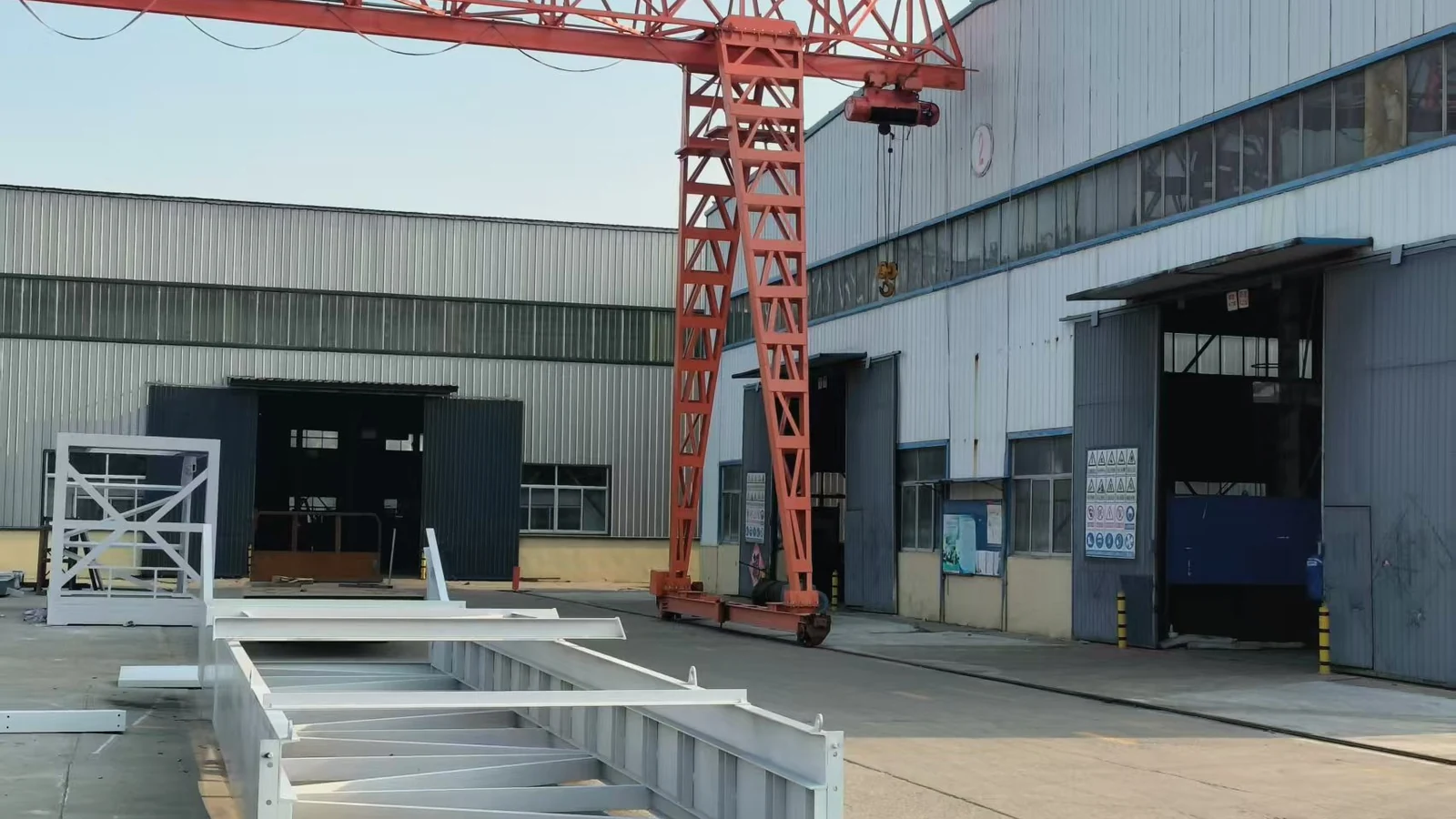
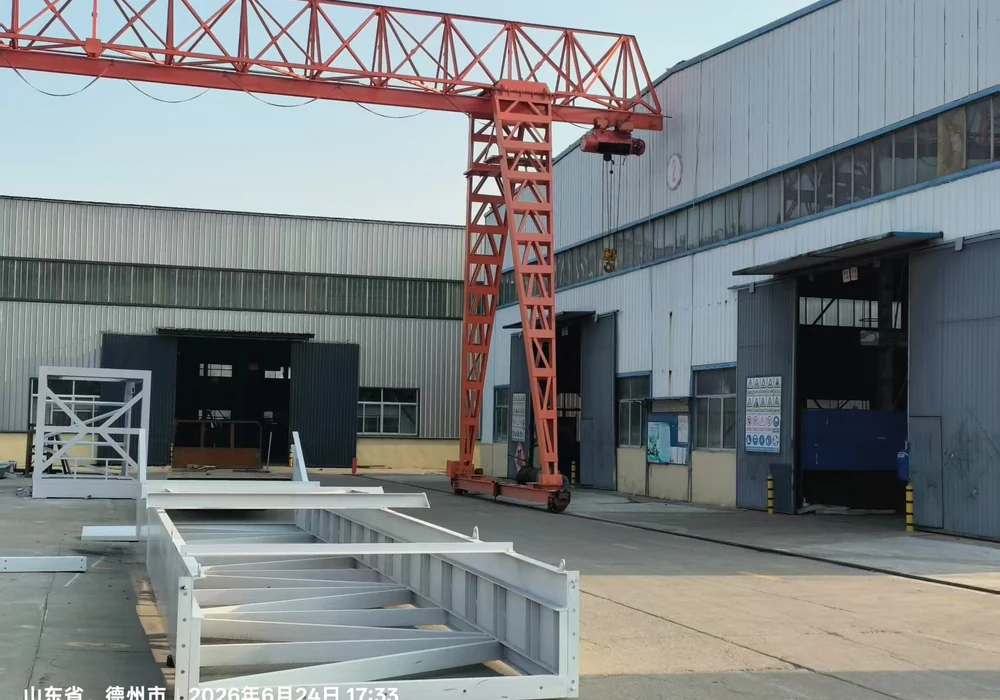
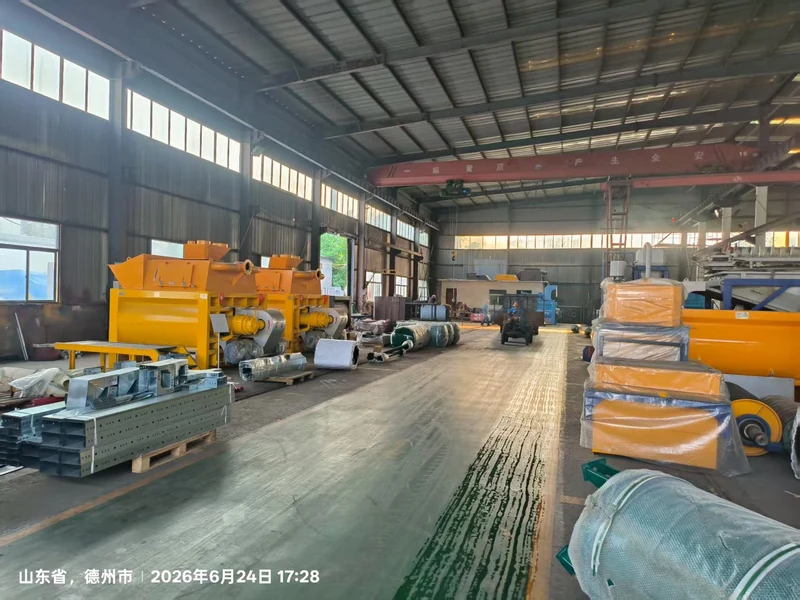
Qihe manufacturing site

ABOUT EPDAS

ABOUT EPDAS GROUP

Concrete equipment and construction machinery, supported by specialized manufacturing in China.

Founded in 2010, EPDAS connects concrete batching plants, telehandlers, concrete pumps and self-loading mixers with project-focused equipment selection.

Explore EPDAS
2010
Year Established
3
Wholly-Owned Subsidiaries
3
Specialized Manufacturing Bases
4
Core Equipment Families

EPDAS Group: Concrete Equipment and Construction Machinery

EPDAS Group brings together research and development, manufacturing, international sales and after-sales service for concrete equipment and construction machinery. Founded in 2010, the Group serves projects that need practical equipment choices for concrete production, material handling, concrete placement and on-site mixing.

The EPDAS portfolio connects four equipment families: concrete batching plants, telescopic handlers and forklifts, concrete pumps, and concrete mixers. Bringing these categories together helps buyers consider how materials are produced, moved and placed across a project, while comparing each machine against its own documented configuration.

Established in 2010, Focused on Project Requirements

Since its establishment in 2010, EPDAS has developed a company structure covering equipment development, manufacturing, global sales and support. The Group’s identity is built around construction machinery and concrete equipment rather than a single product or one type of construction site.

Today, this focus is reflected in the range available for comparison: stationary and mobile concrete batching plants, telehandlers, concrete conveying equipment and self-loading concrete mixers. Project conditions remain central to selection, including the required concrete supply, handling task, site access and future operating arrangements.

2010
Group founded
3
Wholly-owned subsidiaries
4
Core equipment families

Three Subsidiaries within One EPDAS Group

EPDAS Group operates three wholly-owned subsidiaries: EP MACHINERY, DASION INDUSTRY and EPDAS HEAVY INDUSTRIES. Together, these companies form the business structure described in the Group profile and support its construction machinery and concrete equipment activities.

For a buyer, a clear supply agreement matters as much as the product category. Confirm the contracting entity, equipment specification and agreed service responsibilities for the order so that commercial documents and technical discussions refer to the same package.

EP MACHINERY

EP MACHINERY is one of the three wholly-owned companies identified in the EPDAS Group profile. It forms part of the Group’s established industrial business structure.

When reviewing an EPDAS equipment proposal, use the supplier identity and responsibilities stated in the commercial agreement rather than assuming a separate product allocation from the company name.
DASION INDUSTRY

DASION INDUSTRY is included in the Group’s three-company structure. Its name sits alongside EP MACHINERY and EPDAS HEAVY INDUSTRIES in the company profile.

Product selection should follow the documented equipment range and the agreed order scope. Specific manufacturing, delivery or support responsibilities are clarified for the proposed supply.

EPDAS HEAVY INDUSTRIES

EPDAS HEAVY INDUSTRIES is a wholly-owned member of EPDAS Group. The Group profile presents it as part of the same construction machinery and concrete equipment enterprise.

The EPDAS product pages provide a shared starting point for comparing configurations. The final agreement identifies the equipment and company responsible for the individual order.

Specialized Manufacturing Bases in Shandong, China

The EPDAS manufacturing structure is organized around specialized equipment families. The Group profile identifies bases in Qihe, Qingzhou and Yantai, linking concrete plant production, handling equipment and concrete conveying machinery to distinct manufacturing locations.

This specialization gives an equipment discussion a practical manufacturing context. A concrete batching plant involves a different material-flow arrangement from a telehandler or concrete mixer pump, so drawings, configuration details and inspection requirements should be reviewed for the relevant equipment and location.

Qihe · Concrete Batching Plants

The Qihe base in Shandong focuses on research, development and manufacturing of concrete mixing plants. The website’s plant range covers stationary, foundation-free, mobile, portable, containerized and dry-mix configurations.

Compare the plant’s feeding arrangement, storage, mixing or batching process and site layout together. Model tables support that discussion; they do not replace the configuration and drawings agreed for the project.

Qingzhou · Telehandlers and Self-Loading Mixers

The Qingzhou base in Shandong specializes in telehandlers and self-loading concrete mixers. These product groups connect loading, movement and site work, while retaining different capacity and operating requirements.

Telehandler selection involves load, reach and attachments; self-loading mixer selection involves batch size, material measurement and the production cycle. Keeping these tasks distinct helps buyers choose the relevant equipment.

Yantai · Concrete Conveying Equipment

The Yantai base in Shandong concentrates on concrete conveying equipment, including trailer-mounted concrete pumps and concrete mixer pumps. These machines support the movement of suitable concrete through an assessed delivery arrangement.

Pump selection should connect concrete supply, the pipeline and the placement operation. Theoretical pressure, output and distance entries need to be considered with the project conditions rather than treated as simultaneous guarantees.

Qihe concrete batching plant manufacturing site
Qihe manufacturing site · client-supplied photograph
Concrete mixer components in the Qihe workshop
Qihe workshop · client-supplied photograph

People, Communication and Equipment Selection

EPDAS combines development, manufacturing, sales and after-sales functions within its Group activities. An equipment discussion connects these responsibilities: understanding the application, identifying a documented configuration and clarifying the technical and commercial scope before supply.

Clear communication helps a buyer distinguish a standard table entry from an order-specific option. Whether the discussion concerns a concrete plant, telehandler or mixer truck, the aim is to keep the proposed equipment, drawings, documentation and support arrangements aligned throughout the purchasing process.

Quality Starts with a Clear Equipment Specification

A useful quality discussion begins with an identifiable model and an agreed equipment configuration. EPDAS product pages retain the supplied specifications so that buyers can compare capacities, power packages, dimensions and system arrangements with the requirements of their own project.

Inspection documents, test records and certificates must relate to the equipment actually supplied and the requirements of its destination. Confirm the relevant evidence and acceptance criteria for the order; a general company profile does not establish that every product carries the same certification or approval.

International Consultation and Project Context

The EPDAS company profile identifies official sales agencies in the Philippines, Indonesia, Venezuela, Serbia and Mexico. These locations connect the Group’s international business with markets in Southeast Asia, Latin America and Europe, supporting consultation and equipment-selection discussions.

Projects in different markets can have different electrical supplies, engine requirements, site conditions and documentation needs. The website’s project stories provide specific equipment-selection context, while the final configuration and any local service arrangement remain part of the individual order.

Service Planning for the Equipment Lifecycle

After-sales service is part of the EPDAS Group activities described in the company profile. For concrete batching plants, pumps, telehandlers and mixers, support planning should connect the chosen configuration with its operating documentation, maintenance requirements and replacement components.

Discuss commissioning assistance, operator familiarization, spare parts and technical support before the equipment enters service. The agreed order should make the scope, responsibilities and commercial terms clear; installation coverage, response times and warranty conditions are confirmed for that supply.

Discuss Your Equipment Project with EPDAS

Start with the work you need to complete: producing concrete, handling materials, delivering concrete through a pipeline or mixing close to the construction area. EPDAS can discuss the documented product families and the configurations relevant to that application.

Use the existing inquiry form to begin an equipment or factory-visit discussion. Model selection, visit arrangements and the supply package can then be clarified against the actual project, helping turn a product comparison into a concrete purchasing decision.

Discuss Your Equipment Project

HOMEPAGE REVIEW

This page is included in the approved plan. Its full content will be prepared after the homepage review.

Discuss your requirements