
Concrete Batching Plants
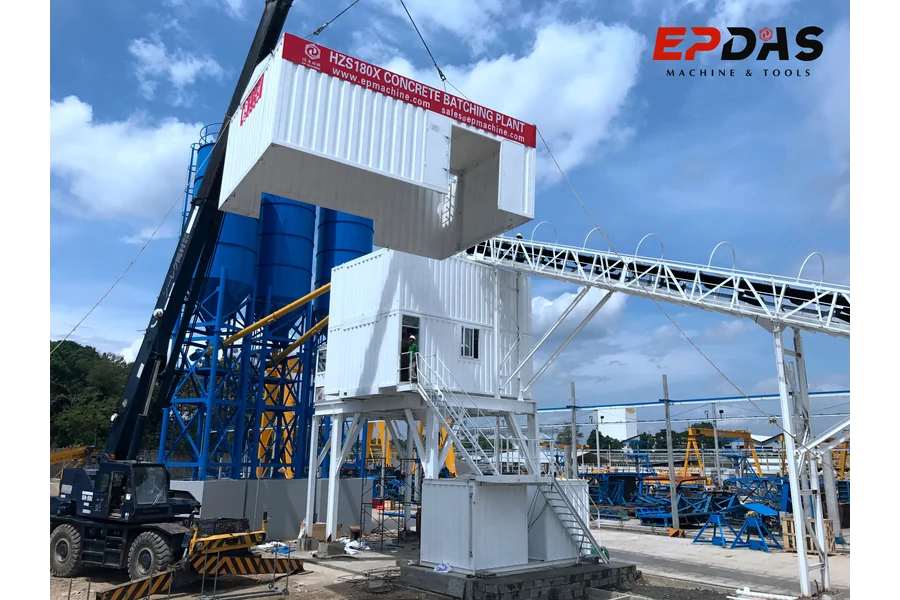
Containerized Concrete Batching Plant
HZS60X–HZS180X independent-module configurations with JS-series mixers and listed productivity of 60–180 m³/h.
- HZS60X / 90X / 120X / 180X
- 60–180 m³/h listed productivity
- Independent container modules
Model data is supplied by the client. Configuration and operating conditions need confirmation for your order.
Overview
A containerized concrete batching plant organises the production equipment into defined modules. This can be useful when the installation needs a coordinated arrangement of mixing equipment, aggregate handling and material dosing, with the module interfaces considered during planning.
The EPDAS HZSX range includes HZS60X, HZS90X, HZS120X and HZS180X, with listed productivity of 60, 90, 120 and 180 m³/h. The supplied data describes independent container modules and JS-series central mixers.
Containerized construction describes the equipment arrangement. It does not, by itself, establish standard shipping-container dimensions, a particular container count, thermal insulation or a guaranteed installation period. Confirm those requirements for the actual package.
Choose the Model and Aggregate Transfer Arrangement
Lifting-Bucket Configurations
HZS60X and HZS90X list lifting-bucket feeding. Review the transfer cycle, charging position and access around the equipment when assessing the arrangement for a particular site.
Alternatives on the Larger Models
HZS120X and HZS180X list lifting-bucket or big-angle belt feeding. The choice affects the transfer route and how the aggregate system connects with the mixing module. It should be resolved in the layout rather than left as an unspecified model option.
EPDAS HZSX Model Specifications
The original table below retains the mixer, productivity, aggregate storage, feeding, power, overall dimensions and weight for each model. Use it to compare configurations; packing dimensions and the complete working-yard area require separate confirmation.
| Model | HZS60X | HZS90X | HZS120X | HZS180X |
|---|---|---|---|---|
| Central Mixer | JS1000 | JS1500 | JS2000 | JS3000 |
| Productivity | 60m3/hr | 90m3/hr | 120m3/hr | 180m3/hr |
| Aggregate Batcher | 3 bins*12m3 | 3 bins*15m3 | 4 bins*15m3 | 4 bins*25m3 |
| Aggregate Feeding Type | Lifting Bucket | Lifting Bucket | Lifting Bucket / Big-angled Belt | Lifting Bucket / Big-angled Belt |
| Aggregate Diameter | ≤80mm | ≤80mm | ≤80mm | ≤80mm |
| Aggregate Weighing | ±2% | ±2% | ±2% | ±2% |
| Cement Weighing | ±1% | ±1% | ±1% | ±1% |
| Fly-ash Weighing | ±1% | ±1% | ±1% | ±1% |
| Water/Liquid Weighing | ±1% | ±1% | ±1% | ±1% |
| Mixing Power | 37KW | 55kw | 74kw | 110kw |
| Total Power | 96kw | 120kw | 150kw | 240kw |
| Overall Dimension | 15m*10m*9m | 17m*13m*10m | 20m*14m*11m | 22m*15m*13m |
| Overall Weight | 28t | 35t | 42t | 55t |
| Shape | Independent Container Module | Independent Container Module | Independent Container Module | Independent Container Module |
Figures describe the documented model configurations. Theoretical productivity is not guaranteed operating output; confirm the selected configuration and conditions for your order.
Components and Module Interfaces
JS-Series Central Mixers
The source pairs HZS60X with JS1000, HZS90X with JS1500, HZS120X with JS2000 and HZS180X with JS3000. Mixer selection should reflect the concrete requirements and production sequence as well as nominal output.
Aggregate Storage and Weighing
The smaller configurations list three aggregate bins, while the larger two use four-bin arrangements. Bin capacities increase across the range. Match the available aggregate fractions and replenishment schedule to these storage options.
Powder and Liquid Dosing
Cement, fly-ash and water/liquid weighing entries appear in the supplied specifications. Review the required ingredient types, storage and transfer equipment together with the proposed module connections. A weighing entry does not define the complete storage package.
How Modular Concrete Production Works
During a typical central-mixing cycle, ingredients are measured according to the approved recipe and transferred through their designated systems. The chosen bucket or belt arrangement delivers aggregate to the mixing equipment.
The mixer combines the ingredients, then discharges the concrete to suitable receiving equipment. Material movement, controls and safety interlocks need to function as one coordinated system across the module interfaces.
The exact charging sequence and operator actions depend on the installed configuration. Follow the approved drawings and equipment instructions when commissioning and operating the plant.
Balance Module Capacity with the Rest of the Site
An organised modular layout does not remove production constraints outside the modules. Aggregate delivery, powder supply, water availability and concrete transport can all influence the working output.
Assess average demand and peak pours separately. Leave time for cleaning, inspections, recipe changes and maintenance, and check that receiving vehicles can circulate without disrupting material replenishment.
Verify Dosing and Concrete Consistency
Keep ingredient storage separated and maintain the measuring systems. Review the selected mix against the actual materials and check that the configuration supports every required ingredient.
Aggregate moisture needs to be considered in batch-water control. Trial batches, production checks and appropriate records remain necessary even when the equipment is arranged in modules. Any automatic correction or reporting function should be confirmed in the control specification.
Applications for a Modular Plant Layout
Dedicated Concrete Production Sites
A containerized arrangement can be assessed for a production point where the project benefits from defined equipment modules and coordinated installation interfaces. The decision should be based on site access, material supply and the proposed production schedule.
Projects with Planned Logistics
Where module handling and future movement are important, evaluate lifting points, transport restrictions and the condition of the next operating site. Module terminology alone does not prove that the complete plant can be moved in one load.
Installation Space, Foundations and Packing
Confirm the required foundations, support surfaces, module positions and maintenance clearances from dimensioned installation drawings. The source's overall plant dimensions are not a complete layout for stockpiles, trucks or supporting facilities.
For delivery, obtain an order-specific packing and lifting plan. Establish which components are transported assembled, which are separated and what lifting equipment is needed. Do not infer standard container compatibility from the product name.
Specify Environmental and Weather Requirements
Assess dust control at material handling points and arrange for wash-water collection and site drainage. These requirements need to be included in the equipment and civil-work scope.
If enclosure, heating, cooling or insulation is required, define it explicitly. The containerized description does not establish a standard climate-protection or noise-reduction package for every model.
Commissioning and Maintenance Access
Commissioning should check module connections, electrical and material interfaces, controls, weighing equipment and discharge arrangements. Trial production should follow the approved concrete quality procedure.
Reserve access for mixer cleaning, wear-part replacement and inspection of transfer equipment. Agree installation assistance, training, spare parts and support with EPDAS as part of the order rather than assuming that every delivery includes the same service package.
Evaluate the Modular Installation as a Complete Investment
The selected mixer, aggregate storage, feeding option, dosing equipment and module arrangement influence the equipment cost. Site works, freight, lifting, utilities and commissioning affect the overall project investment.
Compare proposals against a defined scope. Where climate protection or additional environmental equipment is needed, include it in the comparison alongside the expected production and logistics requirements.
Frequently Asked Questions
Which containerized models are documented?
The supplied range includes HZS60X, HZS90X, HZS120X and HZS180X, with listed productivity from 60 to 180 m³/h.
Does containerized mean standard ISO shipping containers?
Not necessarily. The source describes independent container modules. Confirm packing dimensions, transport method and container compatibility for the actual order.
Which mixers are listed?
The model table lists JS1000, JS1500, JS2000 and JS3000 across the four configurations.
Are all models belt-fed?
No. HZS60X and HZS90X list lifting-bucket feed; HZS120X and HZS180X list lifting-bucket or big-angle belt options.
How many aggregate bins are listed?
The smaller two models list three bins, while HZS120X and HZS180X list four. Capacities are shown in the specifications.
Do the overall dimensions show transport size?
Do not use them as packing dimensions without confirmation. Obtain the transport and lifting schedule for the selected delivery package.
Is the plant insulated as standard?
The supplied data does not establish a standard insulation package. Specify the enclosure and climate requirements for the project.
Does modular construction remove the need for foundations?
No such conclusion follows from the product name. Ground preparation and support details must be confirmed against the site and installation drawings.
Can the plant use different cementitious materials?
The table includes cement and fly-ash weighing entries. Confirm the required materials, storage, transfer equipment and recipe compatibility for the selected configuration.
Is there a fixed installation time for every model?
A single installation time is not established. Site readiness, lifting work, utilities, module connections and commissioning requirements affect the programme.
Manufacturing & product evidence
EPDAS identifies specialized manufacturing bases for the relevant equipment families.
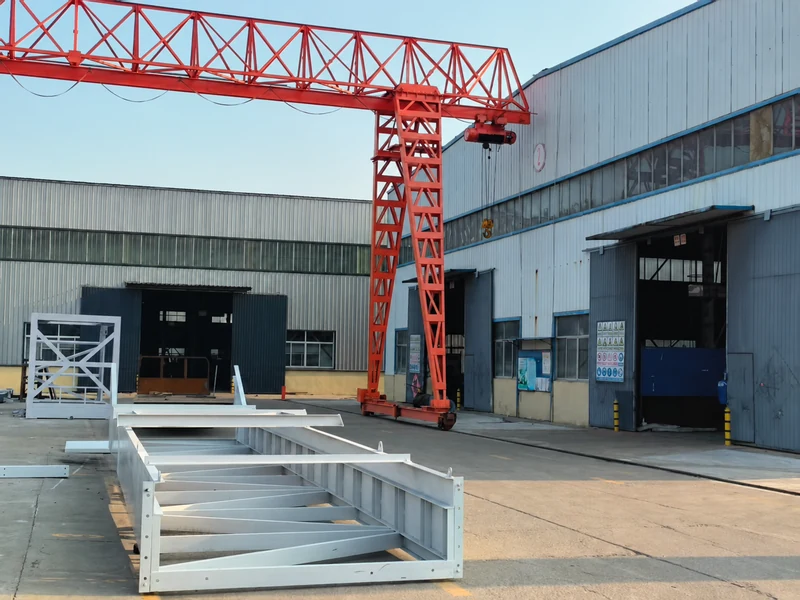
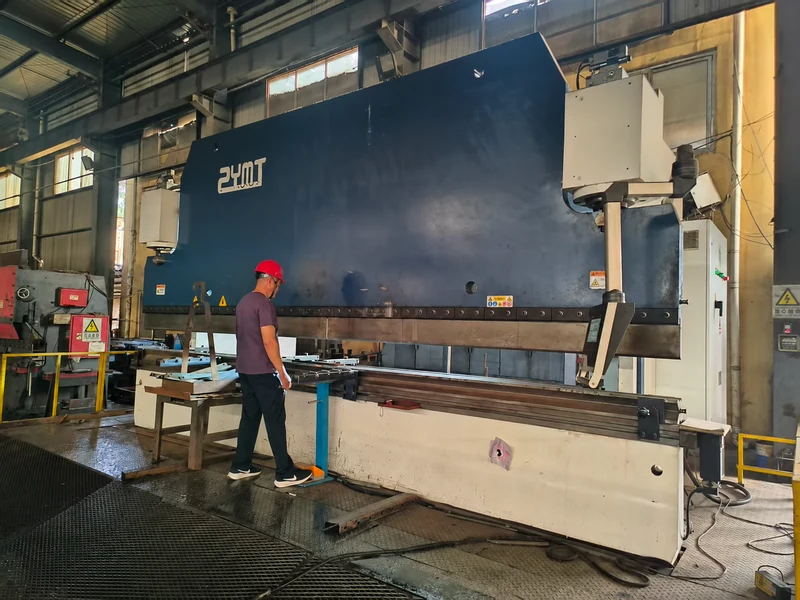
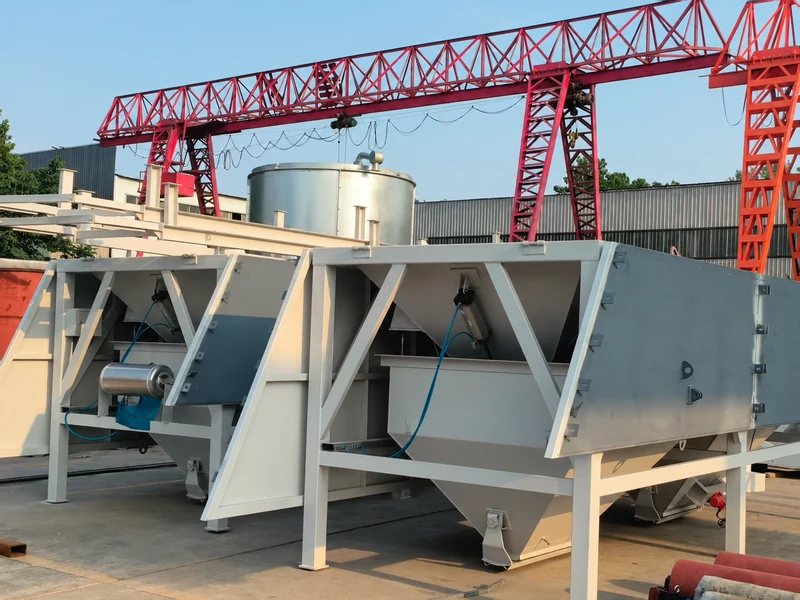
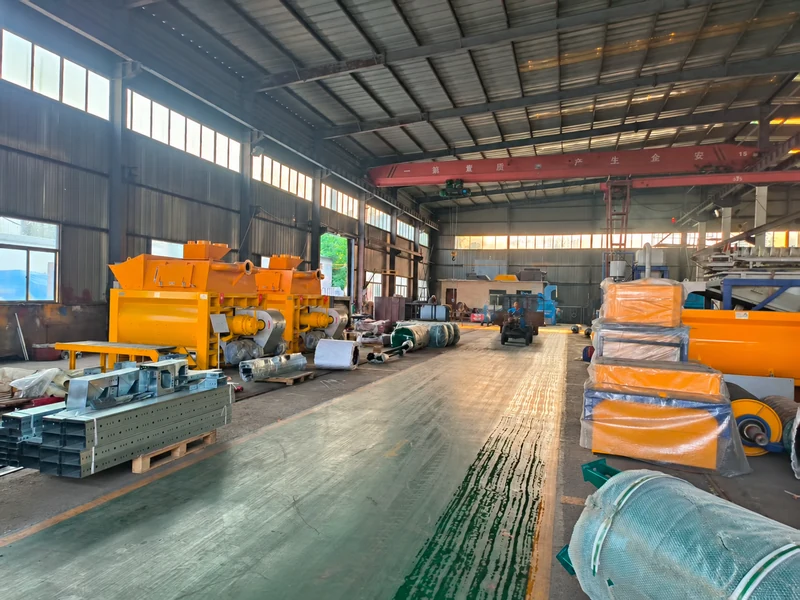
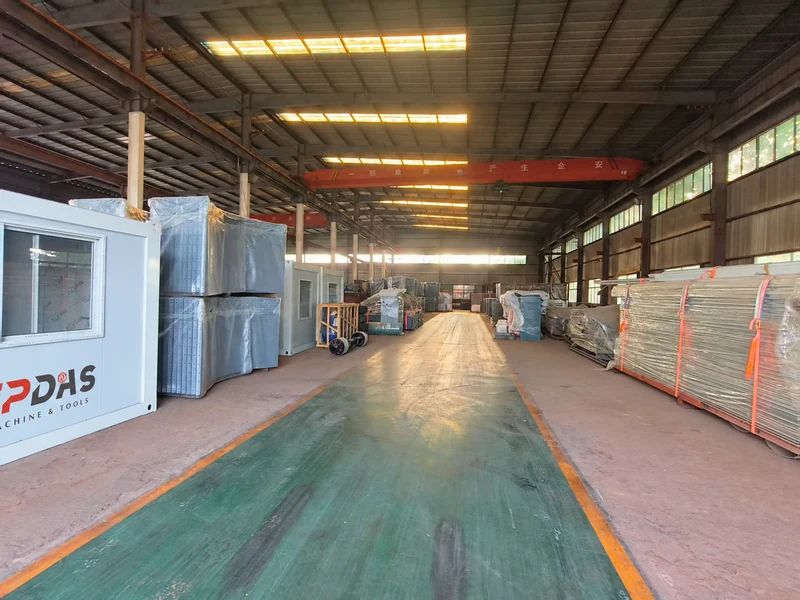
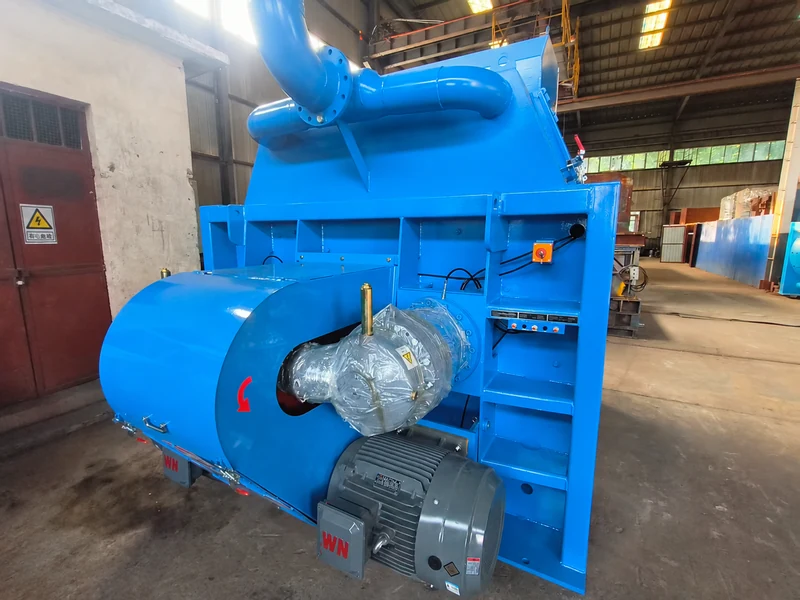
Pending confirmation. Model-specific inspection and certification evidence remains to be confirmed.
Discuss Your HZSX Module Arrangement with EPDAS
Compare the HZSX mixers, aggregate-feeding options and module interfaces with your site's production and logistics requirements. EPDAS can clarify the documented equipment choices and the proposed installation scope.
Discuss Your Plant Configuration