Telescopic Handler Forklifts
Diesel Forklift
Compare eight EPDAS diesel forklift configurations with 2,000–10,000 kg rated capacities, a listed 3,000 mm lift height and model-specific load centres and transmissions.
- K20 to HX50 and H100 models
- 2,000–10,000 kg rated capacity across models
- 3,000 mm listed lift height
Model data is supplied by the client. Configuration and operating conditions need confirmation for your order.
Overview
A diesel forklift uses an internal-combustion engine to support travel and hydraulic material lifting. For a yard or industrial operation, choosing one involves the load, route, mast clearance and working environment as well as the engine configuration.
The documented EPDAS range includes K20, K25, K30, K35, K40, H45, HX50 and H100. Rated capacities span 2,000–10,000 kg, and each shown configuration lists a 3,000 mm lift height.
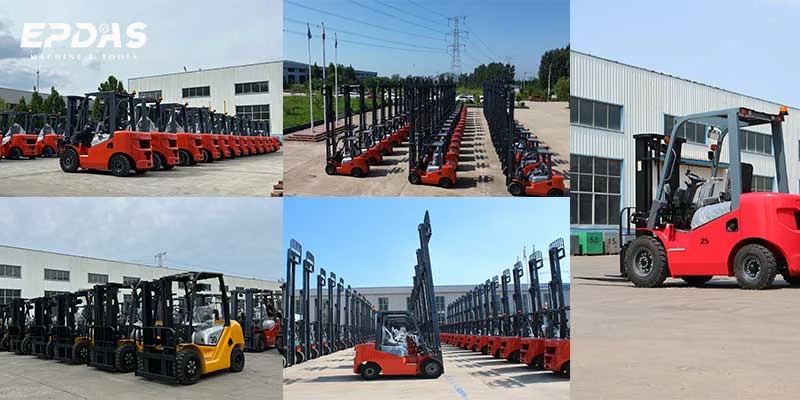
These are mast-type forklifts, distinct from the telescopic-boom models in the same equipment family. Their capacity and access data should be checked against the actual handling operation, not inferred from a product photograph.
Select Capacity and Transmission Together
Eight Documented Load Ratings
K20 through K40 cover 2,000–4,000 kg ratings, followed by H45 at 4,500 kg and HX50 at 5,000 kg. These seven models list a 500 mm load centre. H100 lists 10,000 kg at 600 mm; that different rating condition should remain visible in any comparison.
Manual and Hydraulic Automatic Entries
K20, K25, K30, K35, K40 and H45 list mechanical manual transmission. HX50 and H100 list hydraulic automatic transmission. The transmission entry is a model distinction, not a promise of identical driving characteristics across the range.
EPDAS Diesel Forklift Specifications
The original matrix below retains the full model columns, engine data, tyres, weights and dimensions. Blank cells are unconfirmed entries, not zero values. Preserve the distinction between laden and unladen conditions when reading the performance rows.
| Model | Model | Model | Unit | K20 | K25 | K30 | K35 | K40 | H45 | HX50 | H100 |
|---|---|---|---|---|---|---|---|---|---|---|---|
| Rated capacity | Rated capacity | Rated capacity | kg | 2000 | 2500 | 3000 | 3500 | 4000 | 4500 | 5000 | 10000 |
| load Centre | load Centre | load Centre | mm | 500 | 500 | 500 | 500 | 500 | 500 | 500 | 600 |
| Lift height | Lift height | Lift height | mm | 3000 | 3000 | 3000 | 3000 | 3000 | 3000 | 3000 | 3000 |
| Free lift height | Free lift height | Free lift height | mm | 130 | 130 | 140 | 145 | 150 | 150 | 150 | 200 |
| Fork size | Fork size | L×W×T | mm | 1070×100×40 | 1070×122×40 | 1070×122×45 | 1070×122×50 | 1070×122×50 | 1070×150×50 | 1070×150×50 | 1800×175×80 |
| Mast tilt angle | Mast tilt angle | F/R | Deg. | 6°/12° | 6°/12° | 6°/12° | 6°/12° | 6°/12° | 6°/12° | 6°/12° | 6°/12° |
| Front overhang | Front overhang | Front overhang | mm | 441 | 441 | 460 | 465 | 485 | 560 | 560 | 700 |
| Rear overhang | Rear overhang | Rear overhang | mm | 520 | 520 | 550 | 550 | 590 | 580 | 580 | 748 |
| Min. ground clearance(Bottom of mast) | Min. ground clearance(Bottom of mast) | Min. ground clearance(Bottom of mast) | mm | 115 | 115 | 135 | 135 | 135 | 175 | 175 | 235 |
Overall dimensions | Overall dimensions | Length to face of fork (without fork) | mm | 2595 | 2595 | 2750 | 2750 | 2820 | 3240 | 3100 | 4298 |
| Overall width | mm | 1160 | 1160 | 1240 | 1240 | 1240 | 1480 | 1480 | 2250 | ||
| Mast lowered height | mm | 1980 | 1980 | 2070 | 2070 | 2070 | 2275 | 2275 | 2830 | ||
| Mast extended height (with backrest) | mm | 4050 | 4050 | 4065 | 4065 | 4065 | 4310 | 4310 | 4380 | ||
| Overhead guard height | mm | 2220 | 2220 | 2220 | 2220 | 2220 | 2350 | 2350 | 2540 | ||
| Turning radius(outside) | Turning radius(outside) | Turning radius(outside) | mm | 2480 | 2480 | 2600 | 2600 | 2650 | 3050 | 2990 | 3930 |
| Speed | Speed | Travel(Unladen) | km/h | 19 | 19 | 19 | 19 | 19 | 19 | 19 | 28 |
| Lifting(Laden) | mm/sec | 540 | 540 | 430 | 400 | 400 | 420 | 380 | 220 | ||
| Lowering(Laden) | mm/sec | 450 | 450 | 450 | 450 | 450 | 450 | 450 | 360 | ||
| Max. Drawbar pull(Laden/unladen) | Max. Drawbar pull(Laden/unladen) | Max. Drawbar pull(Laden/unladen) | KN | 17 (14.5) | 17 (14.5) | 18 (15.7) | 18 (18) | 18(18) | 24 (20) | 15 | 69 |
| Max. Gradeability(Laden) | Max. Gradeability(Laden) | Max. Gradeability(Laden) | % | 20 | 20 | 20 | 18 | 16 | 20 | 12 | 20 |
Tyre | Tyre | Front | mm | 7.00-12-12PR | 7.00-12-12PR | 28×9-15-12PR | 28×9-15-12PR | 28×9-15-12PR | 8.25-15-14PR | 300-15-18PR | 9.00-20 |
| Rear | mm | 6.00-9-10PR | 6.00-9-10PR | 6.50-10-10PR | 6.50-10-10PR | 6.50-10-10PR | 700-12-14PR | 700-12-14PR | 9.00-20 | ||
| Tread | Tread | Front | mm | 970 | 970 | 1000 | 1000 | 1000 | 1180 | 1190 | 1585 |
| Rear | mm | 980 | 980 | 980 | 980 | 980 | 1190 | 1110 | 1715 | ||
| Wheelbase | Wheelbase | Wheelbase | mm | 1650 | 1650 | 1750 | 1750 | 1750 | 2100 | 1950 | 2850 |
| Operating weight | Operating weight | Operating weight | kg | 3260 | 3510 | 4100 | 4390 | 4550 | 6490 | 6010 | 12710 |
| Weight Distribution | Laden | Front Axle | kg | 4890 | 5410 | 6300 | 7080 | 7520 | 9600 | ||
| Rear Axle | kg | 570 | 610 | 800 | 810 | 830 | 1390 | ||||
| Unladen | Front Axle | kg | 1510 | 1280 | 1536 | 1590 | 1600 | 2830 | 5890 | ||
| Rear Axle | kg | 1750 | 2230 | 2546 | 2810 | 2950 | 3600 | 6820 | |||
| Battery | Voltage/Capacity | Voltage/Capacity | v/Ah | 12/80 | 12/80 | 12/80 | 12/80 | 12/80 | 24/80 | 12/80 | 24/80 |
| Engine | model | model | QC490BPG | QC490BPG | QC490BPG | QC490BPG | QC490BPG | 4D35G | A498 | CA6110 | |
| Manufacture | Manufacture | (xinchai) | (xinchai) | (xinchai) | (xinchai) | (xinchai) | (xinchai) | (xinchai) | (Xichai) | ||
| Rated output/r.p.m. | Rated output/r.p.m. | kW | 39/2650 | 39/2650 | 39/2650 | 39/2650 | 40/2650 | 48/2300 | 45/2500 | 83/2000 | |
| Rated torque/r.p.m. | Rated torque/r.p.m. | N-m | 160/1980 | 160/1980 | 160/1980 | 160/1980 | 160/1800-2000 | 230/1600 | 193/1800 | 450/1400-1500 | |
| No.of Cylinder | No.of Cylinder | 4 | 4 | 4 | 4 | 4 | 4 | 4 | 6 | ||
| Bore×Stroke | Bore×Stroke | mm | 90×100 | 90×100 | 90×100 | 90×100 | 90×100 | 98×105 | 98×105 | 110×125 | |
| Displacement | Displacement | cc | 2540 | 2540 | 2540 | 2540 | 2600 | 2540 | 3168 | 7127 | |
| Fuel Tank Capacity | Fuel Tank Capacity | L | 60 | 60 | 60 | 60 | 60 | 90 | 90 | 170±10 | |
| Transmission | Manufacture | Manufacture | CHINA | CHINA | CHINA | CHINA | CHINA | CHINA | CHINA | Zhe Jiang zhongchai | |
| Type | Type | Mechanical manual transmission | Mechanical manual transmission | Mechanical manual transmission | Mechanical manual transmission | Mechanical manual transmission | Mechanical manual transmission | Hydraulic Auto | Hydraulic Auto | ||
| Stage | F/R | 1/1 (2/2) | 1/1(2/2) | 1/1(2/2) | 1/1(2/2) | 1/1(2/2) | 1/1(2/2) | 1/1(2/2) | 2 / 2 | ||
| Operating pressure(For attachments) | Operating pressure(For attachments) | Operating pressure(For attachments) | Mpa | 17.5 | 17.5 | 17.5 | 17.5 | 17.5 | 17.5 | 19 | 20 |
Table entries retain the supplied model data. Rated load, lift height and other maxima are separate values; confirm permitted capacity for the actual load, attachment and operating configuration using the applicable documentation.
Engine, Driveline and Mast
Diesel Power Unit
The model table identifies different engine configurations and rated-output entries. Engine selection must be reviewed with the supplied equipment specification and the requirements of the destination. A listed engine model is not proof of a particular emission approval.
Driveline and Running Gear
Transmission type, tyres, wheelbase and clearance entries affect how the truck fits a site. Review them together rather than treating a nominal tonnage as a complete vehicle specification.
Mast and Fork Assembly
The fork dimensions and free-lift entries vary by model. H100 lists 1,800 × 175 × 80 mm forks, while the smaller models list different 1,070 mm fork configurations. Match the actual pallet or load support arrangement to the selected truck.
How Diesel-Powered Handling Works
The engine supplies power to the truck’s travel and hydraulic systems. The mast guides the fork carriage for vertical handling, while the chassis positions the truck in relation to the load and storage point.
Travel, lifting and waiting place different demands on the machine. Planning the handling route therefore involves the full cycle: access to the load, room to position the truck and space at the destination.
This is a general description of the equipment. Model-specific controls, driving procedures and permitted operating conditions must be taken from the supplied manual and workplace arrangements.
Keep Rating Conditions Attached to the Load
A capacity figure is meaningful only with its rating conditions. The first seven models list a 500 mm load centre, while H100 lists 600 mm. Long, offset or unusually shaped loads need assessment using the applicable truck and attachment capacity information.
Do not treat the lift-height row, capacity row and gradient row as one guaranteed operating condition. Permitted handling on the actual route depends on the selected truck and its documented limits, not simply on the highest values in the table.
Distinguish Load Capacity from Truck Weight
Rated capacity describes the load rating, whereas operating weight describes the truck. The axle-load rows also distinguish laden from unladen conditions. Review the relevant loaded configuration when considering floors, docks or other supporting structures.
Several weight-distribution cells are blank in the source. Obtain the missing figures where they matter to the project rather than filling them by assumption. Fork or attachment changes also require confirmation of the resulting capacity information.
Assess Yard and Industrial Handling
Receiving and Dispatch Yards
Receiving pallets or components in an open yard may be a useful starting point for evaluation. Surface quality, load support, route width and the space available around delivery vehicles must all be considered.
Production and Materials Supply
Industrial material movement can involve heavier or longer loads, especially when considering the H100 configuration. Confirm the actual centre of gravity, fork engagement and required access rather than selecting solely by nominal capacity.
Check Mast Clearance and the Loaded Route
A 3,000 mm lift height is not the same dimension as overall mast height. The source separately lists lowered mast, extended mast with backrest and overhead-guard heights. Compare the correct dimension with doors, roofs and the intended lift position.
The outside turning radius is also separate from a verified stacking aisle requirement. Allow for load dimensions and the actual approach. Tyre size and ground clearance do not, by themselves, establish suitability for rough terrain or every slope.
Confirm the Environment and Engine Package
Assess exhaust, ventilation and workplace conditions before deciding where an engine-powered truck can be used. Diesel power does not establish suitability for enclosed areas. The chosen machine and operating environment must be evaluated together.
Confirm emission documentation for the exact engine and destination. The supplied diesel matrix does not establish a common emission certification across the eight models, so none is promised here.
Plan Inspection, Fuel Supply and Maintenance
Maintenance planning should cover the engine, transmission, hydraulics, mast, forks, tyres and braking equipment according to the supplied manual. Access to fuel and appropriate servicing resources is part of keeping the truck available for work.
The battery voltage/capacity row belongs to a diesel-powered truck’s electrical system; it does not describe an electric traction package. Discuss the actual manuals, training, replacement parts and support arrangements with EPDAS for the order.
Compare the Whole Ownership Requirement
Compare the configured truck, any agreed attachments, transport and commissioning requirements alongside the purchase price. A heavier-capacity truck can also change the demands placed on access routes and handling space.
Consider fuel, servicing, wear parts and planned downtime over the intended use period. The supplied specifications do not establish fuel consumption, fixed operating cost or a guaranteed saving compared with another power source.
Frequently Asked Questions
Which diesel forklift models are included?
The documented range is K20, K25, K30, K35, K40, H45, HX50 and H100.
What rated capacities are listed?
The eight models list 2,000, 2,500, 3,000, 3,500, 4,000, 4,500, 5,000 and 10,000 kg respectively.
Is the load centre identical across the range?
No. K20 through HX50 list 500 mm. H100 lists 600 mm. Use the applicable rating for the actual load and configuration.
What lift height is shown?
Each supplied configuration lists 3,000 mm. Lowered and extended mast heights are separate dimensions in the table.
Do all models have automatic transmission?
No. K20 through H45 list mechanical manual transmission; HX50 and H100 list hydraulic automatic transmission.
Can the rated load be assumed at any load centre?
No. Load position and attachments can change the applicable capacity. Use the truck’s capacity information for the actual handling task.
Does the turning radius equal a stacking aisle requirement?
No. Load dimensions, approach geometry and the operating layout also matter. Turning radius alone does not establish the needed aisle.
Does the battery row mean this is an electric forklift?
No. These are diesel configurations. The listed battery is part of their electrical system, not evidence of battery-powered traction.
Is an emission certification confirmed for every model?
No. Verify the exact engine package and documentation for the destination. A common emission approval is not established by the supplied table.
Are fuel consumption and warranty terms fixed here?
No. Fuel consumption is not supplied as verified operating data. Warranty, delivery and support terms need to be agreed for the order.
Manufacturing & product evidence
EPDAS identifies specialized manufacturing bases for the relevant equipment families.
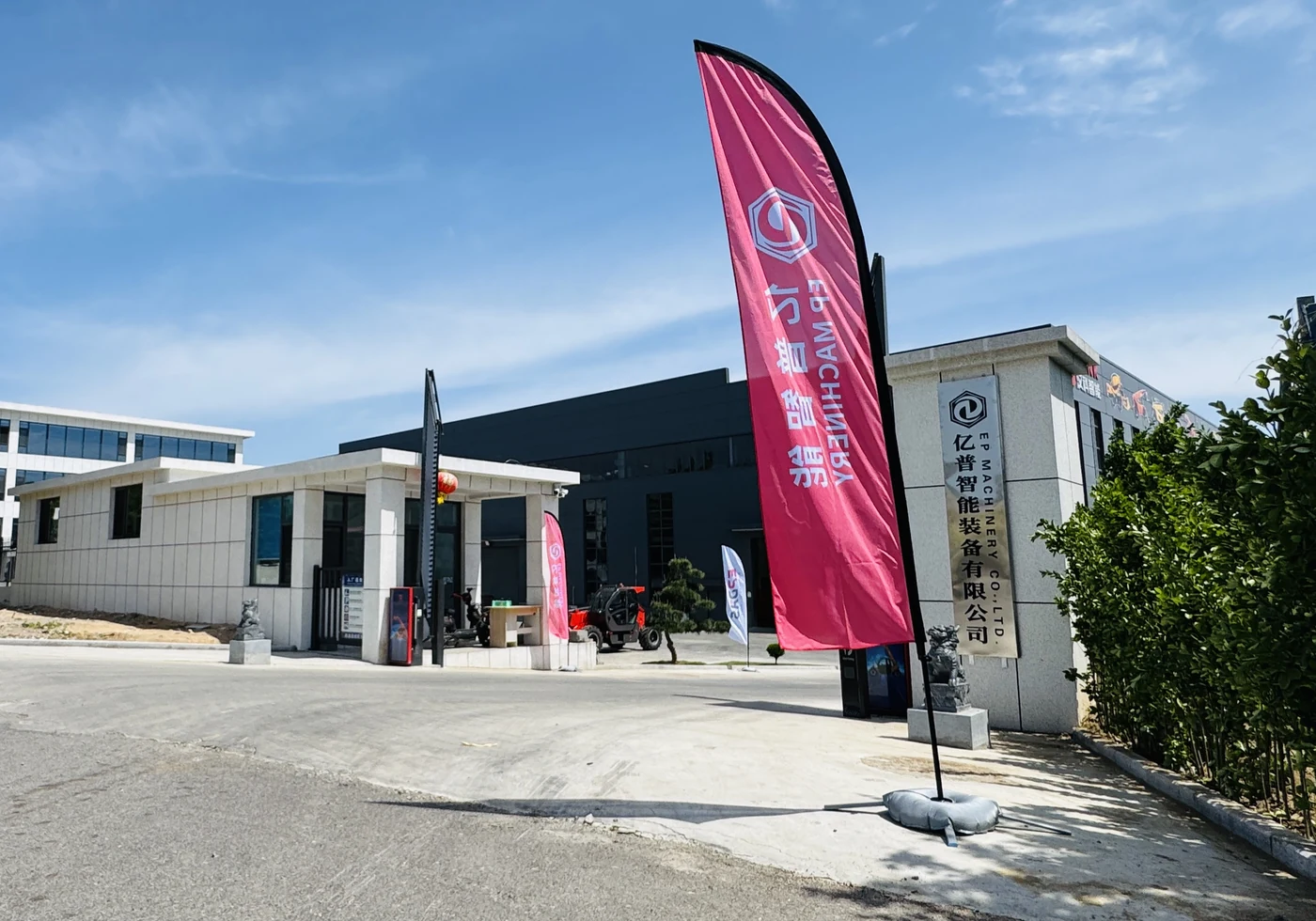
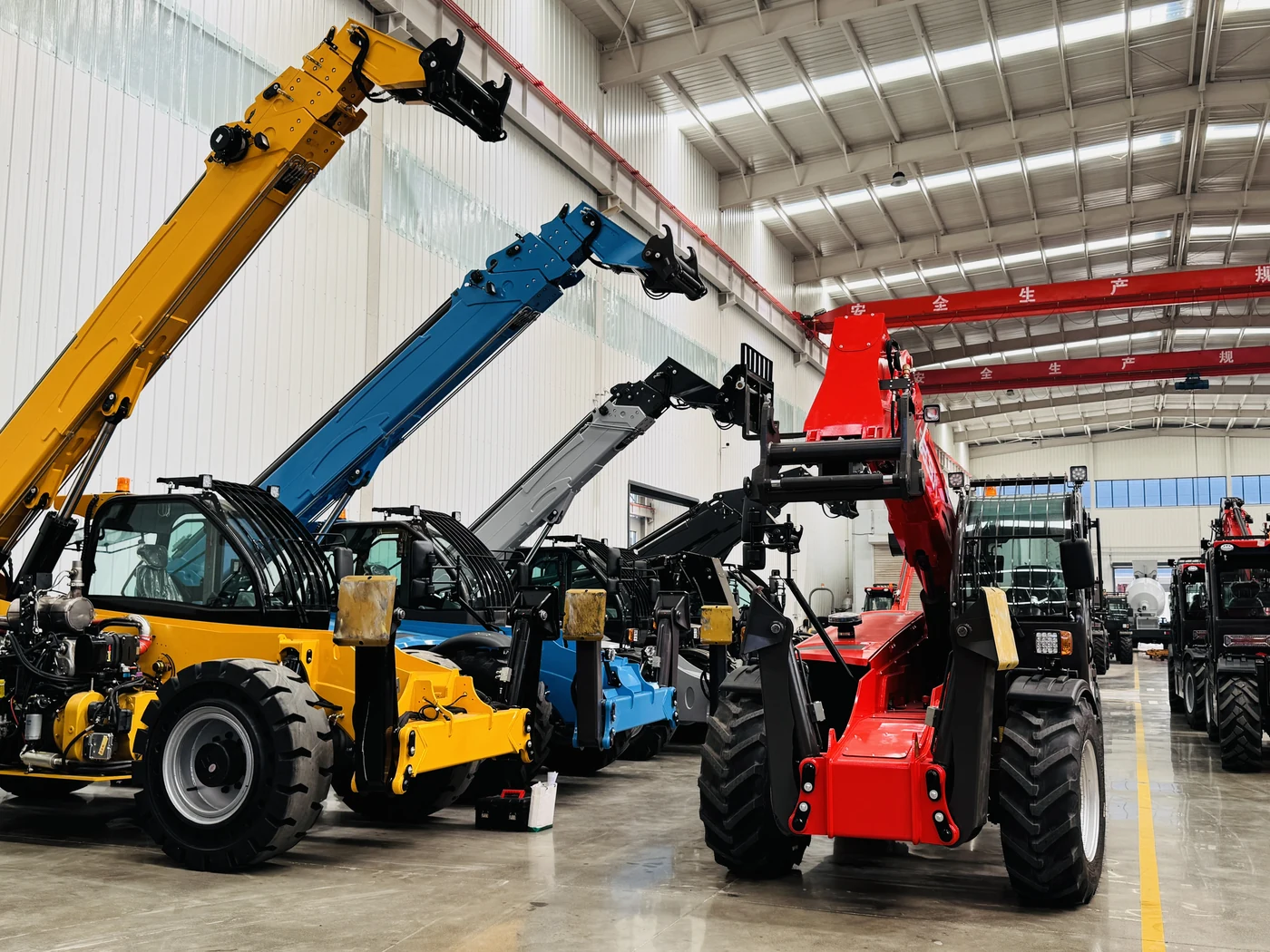
Pending confirmation. Model-specific inspection and certification evidence remains to be confirmed.
Compare an EPDAS Diesel Forklift for Your Materials Route
Discuss the documented configurations with EPDAS and compare the equipment package against your handling operation. Model-specific documentation and the agreed supply scope remain part of the selection.
Discuss Diesel Forklift Configurations