Concrete Batching Plants
Portable Concrete Batching Plant
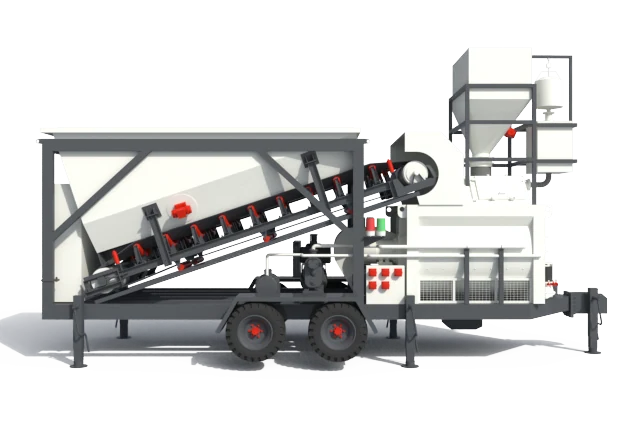
YHZM portable configurations with JZM-series mixers, listed output bands of 15–100 m³/h and 1.0–1.2 m discharge heights.
- YHZM20 / 30 / 50 / 75 / 100
- 15–100 m³/h listed output across models
- 1.0–1.2 m listed output height
Model data is supplied by the client. Configuration and operating conditions need confirmation for your order.
Overview
A portable concrete batching plant should be evaluated as a complete production and material-handling arrangement. Transportability matters, but so do the mixer type, discharge position and equipment that receives the concrete.
The EPDAS YHZM range includes YHZM20, YHZM30, YHZM50, YHZM75 and YHZM100. The supplied output bands range from 15 to 100 m³/h across the models. The data lists JZM-series mixers, belt aggregate feeding and output heights of 1.0–1.2 m.
This lower discharge arrangement is an important difference from the documented YHZS mobile range. Check how concrete will leave the plant and reach the placement operation before selecting a model.
Select the Mixer and Receiving Arrangement Together
YHZM Output Bands
The listed model output bands are 15–20, 20–30, 40–50, 60–75 and 80–100 m³/h. Compare the required production programme with these entries and confirm performance conditions for the intended concrete.
Low-Level Concrete Discharge
YHZM20 has a listed 1.0 m output height, while the remaining four models list 1.2 m. A low outlet cannot be assumed to load every concrete transport vehicle directly. The receiving hopper, transfer equipment or other downstream arrangement needs to fit the actual installation.
EPDAS YHZM Portable Plant Specifications
The complete supplied technical table below preserves the model-specific mixers, bin capacities, controls, chassis data and optional equipment. The listed output figures are planning references rather than guaranteed daily production.
| Model | YHZM20 | YHZM30 | YHZM50 | YHZM75 | YHZM100 |
|---|---|---|---|---|---|
| Concrete output capacity | 15~20m³/hr | 20~30m³/hr | 40~50m³/hr | 60~75m³/hr | 80~100m³/hr |
| Concrete output height (From the ground) | 1.0m | 1.2m | 1.2m | 1.2m | 1.2m |
| Central Mixer | JZM500 | JZM750 | JZM1000 | JZM1500 | JZM2000 |
| Aggregate bins | 2~3 bins × 4m³ | 2~3 bins × 4m³ | 3 bins × 6m³ | 3 bins × 6m³ | 3 bins × 8m³ |
| Aggregate feeding type | By belt | By belt | By belt | By belt | By belt |
| Aggregate weighing accuracy | ±2% | ±2% | ±2% | ±2% | ±2% |
| Water/Cement/Additive weighing accuracy | ±1% | ±1% | ±1% | ±1% | ±1% |
| Production control type | Manual by buttons + Auto by touch-screen | Manual by buttons + Auto by touch-screen | Manual by buttons + Auto by touch-screen | Manual by buttons + Auto by computer (PC) | Manual by buttons + Auto by computer (PC) |
| Chassis & Tyres | 2 axles × 4 tyres | (2as × 2ts) + (1as × 4ts) | (2as × 2ts) + (1as × 4ts) | 3 axles × 4 tyres | 3 axles × 4 tyres |
| Max. travelling speed (Be dragged) | 60km/hr | 60km/hr | 50km/hr | 50km/hr | 40km/hr |
| Total power | ≈25kw | ≈30kw | ≈45kw | ≈60kw | ≈80kw |
| Optional Parts | |||||
| Screw conveyor | Φ219 × 9000mm | Φ219 × 9000mm | Φ219 × 12000mm | 2 × Φ219 × 12000mm | 2 × Φ219 × 12000mm |
| Cement hopper | 2 tons (≈1.5m³) | 2 tons (≈1.5m³) | 2 tons (≈1.5m³) | 2 × 2 tons (≈1.5m³) | 2 × 2 tons (≈1.5m³) |
| Cement silo | 50 tons | 50 tons | 50 tons | 100 tons | 100 tons |
Figures describe the documented model configurations. Theoretical productivity is not guaranteed operating output; confirm the selected configuration and conditions for your order.
Main Equipment in the Portable Plant
JZM-Series Mixing Equipment
The configurations list JZM500, JZM750, JZM1000, JZM1500 and JZM2000 mixers. Review the intended mix, batch handling and discharge method against the selected mixer documentation. Do not substitute assumptions based on another product family's mixer type.
Aggregate Storage and Belt Feeding
The smaller models list two to three 4 m³ bins, while larger configurations use three-bin arrangements. Available aggregate fractions, delivery access and loader movements all influence whether the storage arrangement will work for the site.
Controls and Supporting Equipment
The source describes manual buttons with touchscreen automatic control for YHZM20, YHZM30 and YHZM50, and PC automatic control for YHZM75 and YHZM100. Cement hoppers, silos and screw conveyors have model-specific entries under optional parts.
How a Portable Batching Cycle Works
The general process starts with materials stored and supplied to the appropriate batching systems. Aggregate and other ingredient quantities are measured for the selected recipe, then transferred to the mixer in the required sequence.
After mixing, concrete leaves through the low-level discharge arrangement. The receiving equipment must be ready and appropriately positioned so that it does not interrupt the production cycle.
The sequence, permitted concrete mixes and operating actions must follow the selected equipment's instructions. This general explanation does not define a universal mixing time or downstream equipment package.
Size the Complete Production Chain
The output band alone does not show whether the plant can support a particular placing operation. Include material replenishment, batch changes, cleaning and the rate at which concrete can be removed from the outlet.
Pay particular attention to transfer after discharge. If a receiving hopper or conveyance system is required, its arrangement and working rate need to match the plant. A larger model will not resolve a downstream bottleneck by itself.
Control Ingredients and Check the Concrete
Separate aggregate fractions and manage stockpiles to reduce unintended material changes. Maintain the weighing systems and check that the selected recipe matches the materials actually being used.
Aggregate moisture contributes water to the batch and needs to be considered in the production procedure. Validate the concrete through trial production and the applicable testing process rather than assuming that any recipe will suit a given mixer.
Suitable Project Discussions
Dedicated Production with Planned Movement
A portable configuration may be considered where the production point will change over the equipment's service life. Compare the full sequence of setup, use, dismantling and transport for each likely location.
Sites with Defined Low-Level Handling
Projects already planning a compatible concrete-receiving arrangement can assess the YHZM layout around that process. Available space, access and the downstream operation should drive the equipment choice.
Layout, Discharge Access and Relocation
Confirm the support surface, drainage and utility positions before the plant is installed. The complete working area includes aggregate storage, cement deliveries, loading movements and access for servicing.
Review the chassis and tyre configuration for the chosen model using the transport documentation. Source towing-speed entries do not establish approval for a specific road journey. Supporting equipment may require separate loading and transport arrangements.
Keep the Production Area Workable
Plan powder handling, aggregate-transfer housekeeping and concrete washout around the actual operating area. A low discharge position also needs clear access for cleaning and servicing without obstructing other site work.
Environmental equipment and water-management arrangements should be defined for the order and location. Portability does not remove the need to assess dust, drainage and waste handling at each site.
Commissioning and Routine Care
Before production, verify the equipment setup, material connections, controls and measuring systems. Confirm the discharge-to-receiver interface using the approved operating arrangement.
Routine inspections should address the mixer, transfer equipment, wear components and weighing systems. Cleaning, adjustment and relocation preparation require the safe procedures in the equipment documentation. Confirm training and parts support with EPDAS for the selected configuration.
Compare the Cost of a Working Portable System
Include the mixer package, bins, powder storage, conveying equipment and selected controls in the equipment comparison. Account for site works, utilities, transport and commissioning separately.
Where the outlet needs additional receiving or transfer equipment, include that scope from the start. A low initial equipment price may not describe the cost of the complete production and placement arrangement.
Frequently Asked Questions
Which YHZM models are documented?
The supplied range includes YHZM20, YHZM30, YHZM50, YHZM75 and YHZM100.
Which mixers are listed for the portable range?
The source lists JZM500, JZM750, JZM1000, JZM1500 and JZM2000, corresponding to the five model columns.
What output range appears in the source?
The listed output bands span 15–100 m³/h across the range. Compare the exact band for each model rather than treating the model name as an output guarantee.
What is the discharge height?
The table lists 1.0 m for YHZM20 and 1.2 m for YHZM30, YHZM50, YHZM75 and YHZM100.
Can the plant directly load a standard truck mixer?
Do not assume compatibility. Check the actual outlet height, receiving vehicle and any transfer arrangement against the approved layout.
Are touchscreen controls listed on every model?
No. The smaller three models list touchscreen automatic control, while YHZM75 and YHZM100 list PC automatic control, together with manual buttons.
Is every pictured accessory included?
No. The source identifies optional parts separately. Confirm the quoted package and model-specific equipment schedule.
Can the plant be moved between sites?
Assess the selected chassis, securing method, supporting equipment and transport requirements. A relocation time or universal road approval is not established by this page.
Is it suitable for every type of concrete?
The intended mix must be reviewed against the mixer and dosing configuration, then validated through the producer's quality procedure and trial production.
What maintenance access should be reserved?
Leave suitable access to the mixer, weighing systems, belt and discharge arrangement, following the equipment drawings and operating instructions.
Manufacturing & product evidence
EPDAS identifies specialized manufacturing bases for the relevant equipment families.
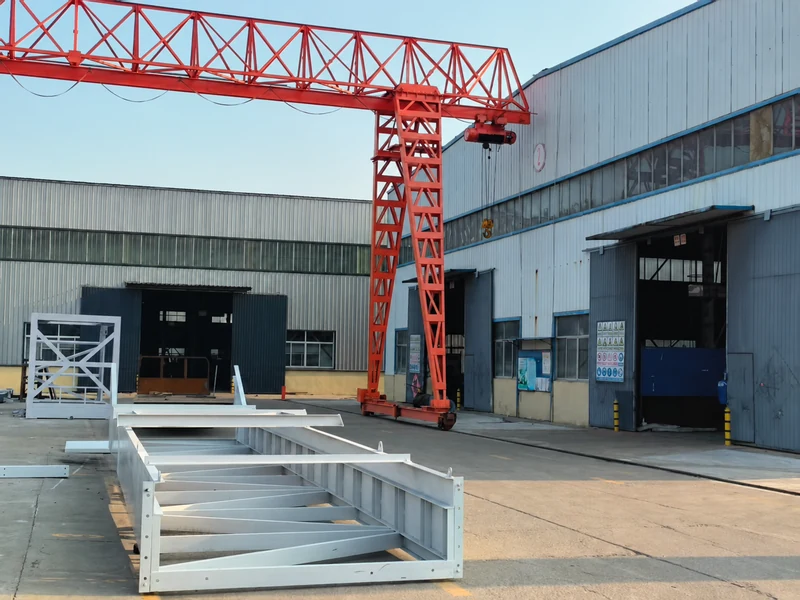
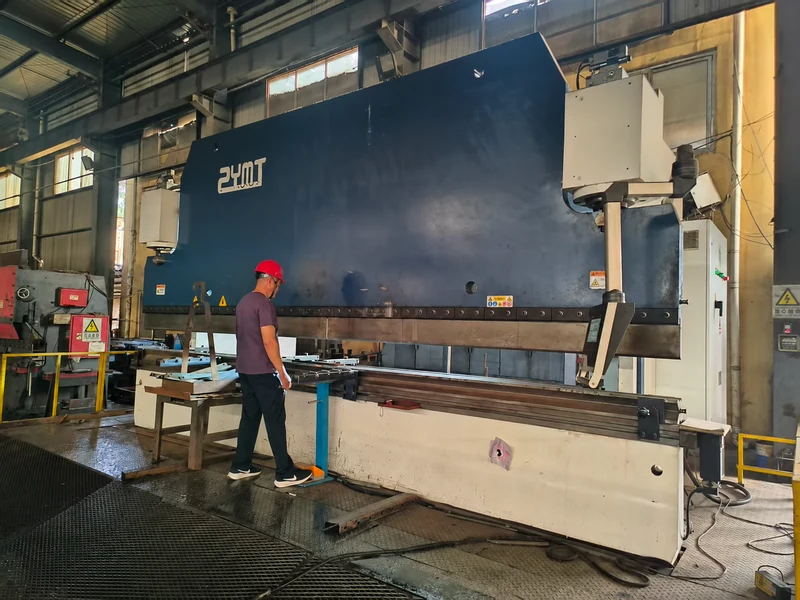
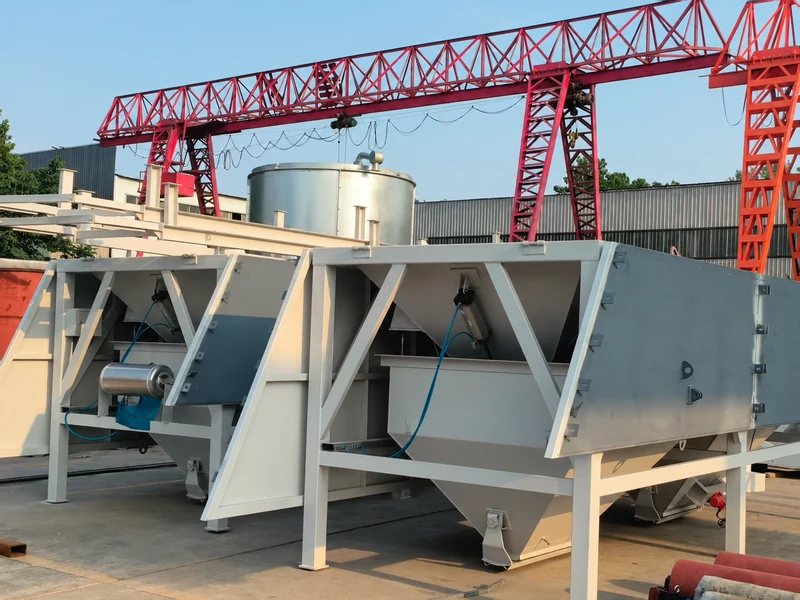
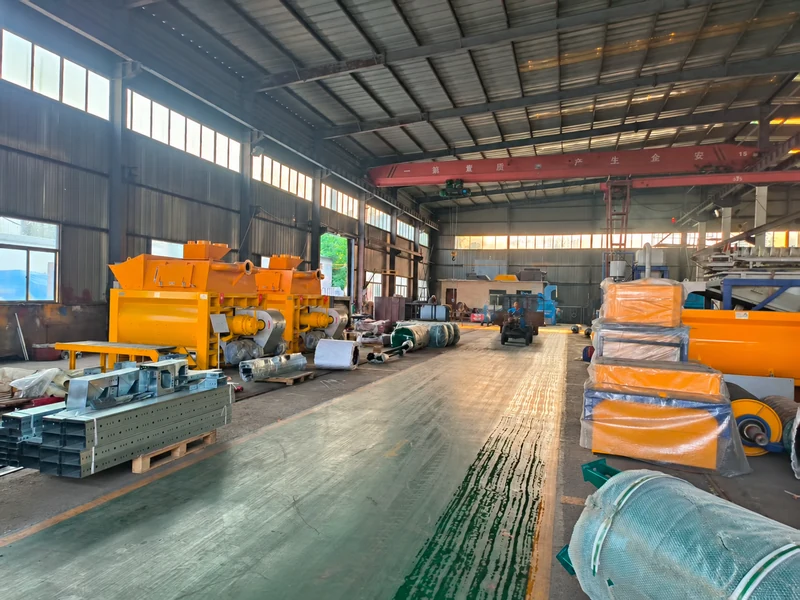
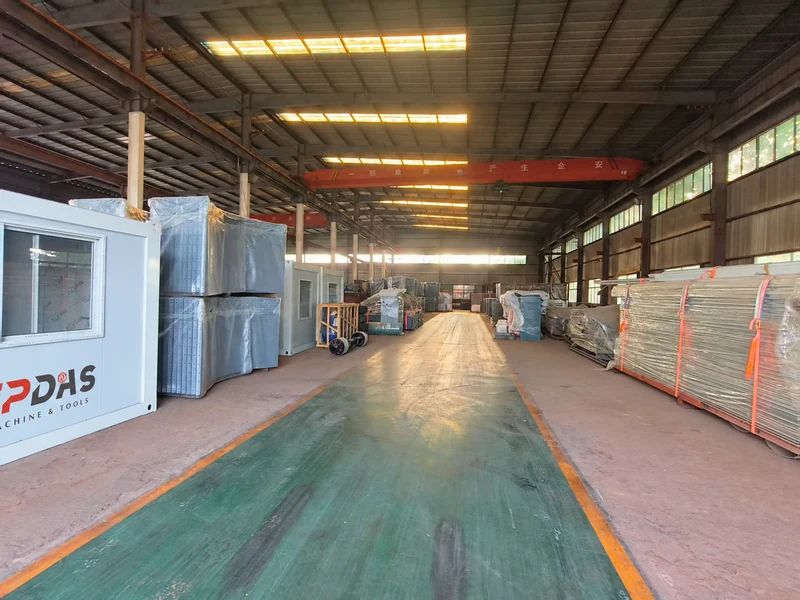
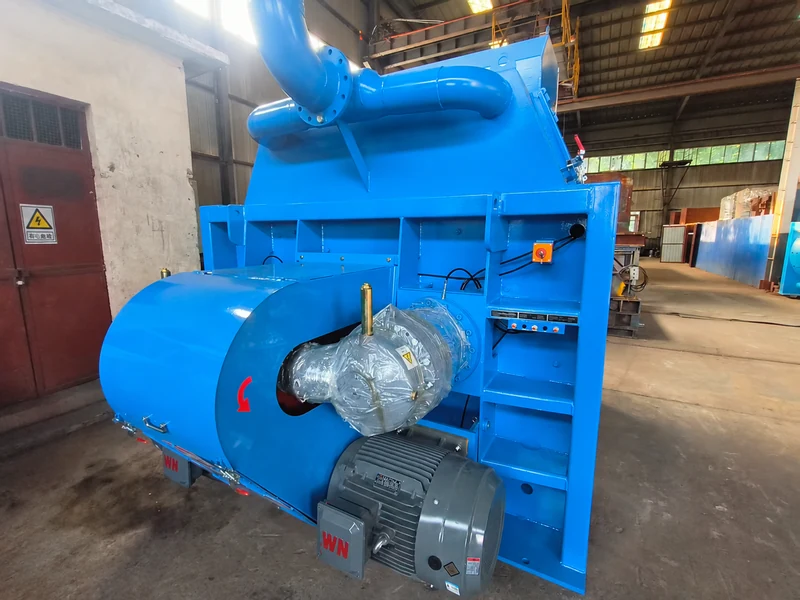
Pending confirmation. Model-specific inspection and certification evidence remains to be confirmed.
Discuss Your Portable Concrete Setup with EPDAS
Review the YHZM mixer, low-level discharge and supporting equipment as one system. EPDAS can discuss the documented model options and clarify the production, handling and relocation scope for your site.
Discuss Your Plant Configuration