
Concrete Mixers
Mini Self-Loading Concrete Mixer
Review the supplied mini-mixer schedule: 300 dm³ drum capacity, 0.2 m³ actual concrete output per batch, hydraulic loading/mixing and a 13.5 HP gasoline-engine entry.
- 0.3 m³ drum capacity in the parameter table
- 0.2 m³ actual output per batch in the table
- 13.5 HP gasoline engine listed
Model data is supplied by the client. Configuration and operating conditions need confirmation for your order.
Overview
A mini self-loading concrete mixer brings loading, drum mixing and discharge into a compact equipment arrangement. It may be assessed for smaller batches where material access and the placement method suit the actual machine.
The supplied EPDAS parameter schedule lists a 300 dm³ (0.3 m³) drum and 0.2 m³ actual concrete output per batch. The original document heading says “750L”, which conflicts with the drum-capacity row. That discrepancy remains unresolved; this page does not advertise 750 L mixing output.
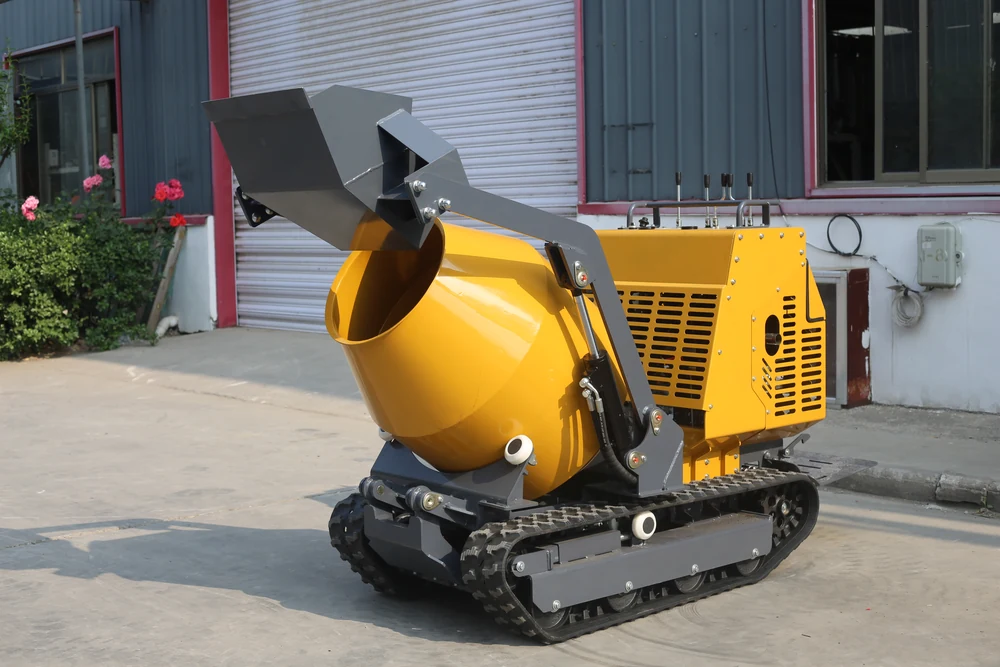
A specific model designation has not been supplied. Confirm the exact machine identity and technical schedule before treating the photograph or figures as an order specification.
Start with the Documented Batch and Loading Functions
Drum Volume and Batch Output
The schedule distinguishes drum capacity from actual concrete output. The 0.2 m³ batch-output entry is the relevant source figure when considering batch demand, while 0.3 m³ describes the drum.
Hydraulic Equipment Functions
Hydraulic loading, hydraulic mixing and hydraulic dumping discharge are listed as separate functions. Their presence does not establish autonomous batching or an automatic ingredient-measurement system.
Supplied Mini Mixer Parameter Schedule
The complete original schedule is retained, including its engine, weight, loading-capacity and emission wording. The “EPA & Euro V Compliant” entry is a source statement; supporting certification and its applicability to the actual engine remain to be verified.
| Parameter | Specification |
|---|---|
| Mixing Drum Capacity | 300 dm³ (0.3 m³) |
| Actual Concrete Output Per Batch | 0.2 m³ |
| Engine | Briggs & Stratton 13.5 HP, Gasoline |
| Starting System | Electric Start |
| Emission Standard | EPA & Euro V Compliant |
| Loading Capacity | 750 kg |
| Net Weight | 750 kg |
| Loading Method | Hydraulic Loading |
| Mixing Method | Hydraulic Mixing |
| Discharging Method | Hydraulic Dumping Discharge |
| Overall Dimensions (L/W/H) | 2500 / 900 / 1500 mm |
Source conflict retained: the heading says 750L, while this table states a 300 dm³ drum and 0.2 m³ actual batch output. Model identity and certification scope remain unverified; 750 kg entries are masses, not drum volume.
Drum, Hydraulic Functions and Engine
Mixing Drum
The drum needs to be considered with its stated usable concrete batch and the required mixing process. A larger geometric drum figure cannot be substituted for the schedule’s actual-output entry.
Engine and Starting
The schedule lists a 13.5 HP gasoline engine and electric start. Electric starting describes the starting system; it does not mean the machine is powered by a site electric motor.
Loading and Discharge Equipment
The hydraulic loading and discharge entries describe how material handling is arranged. Obtain the actual operating documentation to establish controls, limits and included equipment.
How Small-Batch Site Mixing Is Organized
The intended process brings measured concrete ingredients to the machine, uses the loading arrangement and combines them in the drum before discharge. The project must organize measurement, water and concrete acceptance alongside the machine.
Small batch size does not remove the need to control the recipe or the sequence required by the supplied instructions. The product schedule is not a tested batch-cycle or mix-design document.
This section explains the general role only. Operating, movement and cleaning procedures must come from the manual for the confirmed equipment.
Resolve Identity and Conflicting Capacity Labels
The unresolved 750L heading must not be used to replace the 300 dm³ drum or 0.2 m³ output entries. It may refer to a different description or variant, but the available material does not establish which.
The schedule also lists 750 kg loading capacity and 750 kg net weight. These are separate mass entries, not evidence of a 750 L drum, and they do not provide a verified gross operating weight or payload calculation.
Measure a Small Batch with the Same Care
Use the project’s approved proportions and a suitable method to measure the ingredients. The hydraulic loader is a handling device; no automatic mass-measurement or moisture-adjustment function is confirmed by this schedule.
The concrete output row does not establish strength, consistency or a mixing time. Confirm the intended mix and testing requirements rather than treating a compact mixer as an exemption from quality control.
Evaluate Smaller and Intermittent Concrete Demand
Small Site Batches
A smaller batch arrangement may be considered where demand is intermittent and materials can be organized at the work area. Match the batch to the receiving and placement method instead of assuming continuous high-volume production.
Choosing a Practical Supply Arrangement
Compare the actual access, manpower, replenishment and quality requirements with other supply methods. No particular room, path or restricted-access application can be certified from the dimensions alone.
Check Access with the Actual Configuration
Overall dimensions are listed as 2,500 × 900 × 1,500 mm. Confirm whether the relevant loading and discharge positions need additional clearance, and obtain the transport arrangement for the actual machine.
Width alone does not establish that the equipment can pass every narrow route or operate on a floor. Review support capacity, surfaces, loading access and the receiving position using the confirmed documentation.
Fuel, Water and Cleaning Resources
The source lists gasoline power, so the working environment must be assessed for the actual engine and its operation. The emission wording does not itself approve use in an enclosed or hazardous area.
Arrange suitable material storage, water and washout management. The schedule does not state a water-tank capacity; do not infer one from a photograph or another mixer model.
Obtain the Manual and Supporting Evidence
The unresolved model identity makes the correct operating manual particularly important. Confirm the engine documentation, inspection criteria, hydraulic-system guidance and any certification supplied for the exact machine.
Agree commissioning, training, spare parts and warranty scope with EPDAS for the order. The published schedule is not evidence of a completed acceptance test, a guaranteed delivery date or a fixed service interval.
Compare Cost per Practical Batch
Consider the equipment together with measurement, loading, water, fuel, handling and cleaning resources. The actual work pattern determines how useful the small batch is to the project.
No hourly output or cost per batch is verified by the available material. Resolve the technical schedule first, then compare ownership and supply costs using the intended operation rather than the conflicting heading.
Frequently Asked Questions
Is this a confirmed 750 L mixer?
No. The source heading says 750L, but the parameter table lists a 300 dm³ drum. The discrepancy remains unresolved.
What actual batch output is listed?
The parameter schedule states 0.2 m³ of concrete per batch.
What drum capacity is listed?
The source table states 300 dm³, equivalent to 0.3 m³. Drum volume and concrete batch output are different.
What engine and start system are documented?
A 13.5 HP gasoline engine with electric start is listed. Electric start is not electric-motor propulsion or mixing power.
Are the 750 kg entries drum capacity?
No. Loading capacity and net weight are listed in kilograms. They do not establish a volume rating.
What functions are hydraulic?
Loading, mixing and dumping discharge are listed as hydraulic. Exact controls and limits require the applicable manual.
Is automatic ingredient weighing included?
It is not established by the supplied parameter schedule. Confirm any required measurement package separately.
Are emission certifications verified?
The source claims EPA and Euro V compliance, but supporting documentation for the actual engine remains to be verified.
What overall dimensions are listed?
The source states 2,500 × 900 × 1,500 mm. Confirm operating clearances and the exact equipment configuration.
Is the model identity confirmed?
No specific model designation is supplied. Resolve the machine identity, capacity discrepancy and documentation before ordering.
Manufacturing & product evidence
EPDAS identifies specialized manufacturing bases for the relevant equipment families.
Pending confirmation. Model-specific inspection and certification evidence remains to be confirmed.
Clarify the EPDAS Mini Mixer Configuration for Your Work
Discuss the documented configuration with EPDAS and review how it fits your concrete supply and placement plan. Final equipment, documentation and support scope are confirmed for the order.
Discuss the Mini Mixer Schedule