
Concrete Batching Plants
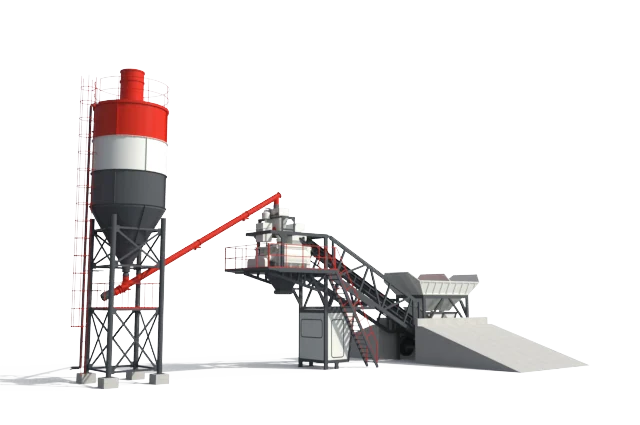
Mobile Concrete Batching Plant
YHZS mobile configurations with JS-series mixers, belt feeding and listed output bands spanning 15–100 m³/h across the range.
- YHZS25 / 35 / 60 / 75 / 120
- 15–100 m³/h listed output across models
- 4.0 m listed output height
Model data is supplied by the client. Configuration and operating conditions need confirmation for your order.
Overview
A mobile concrete batching plant brings concrete production to a project while making relocation part of the equipment-selection decision. The useful configuration is the one that fits both the production work and the practical movement of the plant between sites.
The documented EPDAS YHZS range includes YHZS25, YHZS35, YHZS60, YHZS75 and YHZS120. The supplied output bands span 15–100 m³/h across these models. They use JS-series central mixers and belt-fed aggregate systems, with a listed concrete output height of 4.0 m.
Model numbers should not be read as guaranteed hourly output. Compare the actual output row, storage arrangement, utilities and receiving-vehicle access when selecting a plant.
Choose a Mobile Plant Around Its Working Route
Match the Output Band to Demand
The listed output bands are 15–20, 20–30, 40–50, 60–75 and 80–100 m³/h across the five models. Use these as the starting point for a production discussion, then review the intended concrete and site conditions.
Review the Whole Relocation Package
The main plant is only part of a move. Cement storage, screw conveyors, water supply, cables and other supporting equipment may need separate transport and reassembly. Compare the complete arrangement rather than considering only the chassis shown in a photograph.
EPDAS YHZS Mobile Plant Specifications
The original model table below retains the output bands, mixer types, aggregate-bin capacities, controls and chassis entries. Optional equipment is identified separately in the supplied data and needs confirmation in the quotation.
| Model | YHZS25 | YHZS35 | YHZS60 | YHZS75 | YHZS120 |
|---|---|---|---|---|---|
| Concrete output capacity | 15~20m³/hr | 20~30m³/hr | 40~50m³/hr | 60~75m³/hr | 80~100m³/hr |
| Concrete output height (From the ground) | 4.0m | 4.0m | 4.0m | 4.0m | 4.0m |
| Central Mixer | JS500 | JS750 | JS1000 | JS1500 | JS2000 |
| Aggregate bins | 2 bins × 6m³ | 2 bins × 6m³ | 4 bins × 5m³ | 4 bins × 5m³ | 4 bins × 8m³ |
| Aggregate feeding type | By belt | By belt | By belt | By belt | By belt |
| Aggregate weighing accuracy | ±2% | ±2% | ±2% | ±2% | ±2% |
| Water/Cement/Additive weighing accuracy | ±1% | ±1% | ±1% | ±1% | ±1% |
| Production control type | Manual by buttons + Auto by computer (PC) | Manual by buttons + Auto by computer (PC) | Manual by buttons + Auto by computer (PC) | Manual by buttons + Auto by computer (PC) | Manual by buttons + Auto by computer (PC) |
| Chassis & Tyres | 1 axle × 4 tyres | 1 axle × 4 tyres | 1 axle × 4 tyres | 1 axle × 4 tyres | 1 axle × 4 tyres |
| Max. travelling speed (Be dragged) | 50km/hr | 50km/hr | 40km/hr | 30km/hr | 30km/hr |
| Total power | ≈50kw | ≈60kw | ≈80kw | ≈100kw | ≈130kw |
| Optional Parts | |||||
| Screw conveyor | Φ219 × 12000mm | Φ219 × 12000mm | Φ219 × 12000mm | 2 × Φ219 × 12000mm | 2 × Φ273 × 15000mm |
| Cement hopper | 2 tons (≈1.5m³) | 2 tons (≈1.5m³) | 2 tons (≈1.5m³) | / | / |
| Cement silo | 50 tons | 50 tons | 80~100 tons | 2 × 100 tons | 2 × 100 tons |
Figures describe the documented model configurations. Theoretical productivity is not guaranteed operating output; confirm the selected configuration and conditions for your order.
Systems That Support On-Site Production
Central Mixer and Aggregate Storage
The five configurations list JS500, JS750, JS1000, JS1500 and JS2000 mixers. Aggregate storage varies from two 6 m³ bins on the smaller models to four-bin arrangements on the larger models. Match the available material fractions and replenishment method to the chosen configuration.
Belt Feeding and Ingredient Weighing
The conveyor brings aggregate towards the mixing system while separate dosing arrangements measure the other ingredients. Check the material sequence and equipment access as part of the layout discussion.
Production Controls
The source lists manual button control and computer-based automatic operation. Required reporting, recipe management, language and electrical interfaces should be clarified for the actual control package. These entries do not establish remote-monitoring or IoT functions.
How the Mobile Mixing Process Works
At a prepared operating site, aggregates are placed in their designated bins and the other ingredients are made available to the batching systems. The selected mix determines the quantities to be measured.
The belt transfers aggregate towards the central mixer, where it is combined with the specified cementitious materials, water and admixtures. Mixed concrete is then discharged to suitable receiving equipment.
Relocation and production are separate operating states. Preparing the plant for movement, securing equipment and recommissioning at the next site must follow the model-specific instructions.
Balance Mixer Output with Delivery Capacity
A mobile plant cannot produce useful concrete faster than the site can receive and place it. Waiting trucks, interrupted aggregate loading or limited water supply may restrict the working output even when the mixer is available.
Plan for peak pours, material deliveries, cleaning and changes of recipe. If moving between sites is frequent, include the time and resources needed to stop production, move supporting equipment and establish the next production point.
Maintain Quality After Every Move
Check ingredient segregation and the condition of the weighing equipment at the operating site. Relocation is a reason to verify the installed arrangement and measuring systems before restarting production.
Account for changes in aggregate moisture and confirm that mix adjustments follow the producer's quality-control procedure. Keep records of checks and trial batches. A mobile layout does not remove the need to validate the concrete being supplied.
Applications for Mobile Concrete Production
Construction with Changing Production Locations
A contractor working through successive sites may assess a mobile plant where dedicated production is useful and relocation can be planned. Consider the available access, supply arrangements and duration of each operating stage.
Project-Based Concrete Supply
A plant serving a specific development or infrastructure work package should be sized around its actual pour programme. Location close to the work may be useful, but transport, placement and site management still need coordination.
Plan the Operating Site and the Transport Route
Provide an assessed support surface, drainage, loading space and receiving-vehicle clearance. The listed 4.0 m output height must be checked against actual vehicles and ground levels; it is not a substitute for an installation drawing.
The table contains chassis, tyre and dragged-speed entries. These describe source configurations, not permission to tow an assembled plant on any public road. Confirm transport dimensions, equipment preparation, towing arrangements and applicable requirements for the proposed move.
Dust, Washout and Temporary-Site Housekeeping
Temporary production needs a defined arrangement for material spills, powder dust and wash water. Assess the charging and discharge areas together with loader and truck routes.
Any enclosure, filtration or water-management equipment should be stated in the supply scope. The ability to relocate a plant does not establish environmental acceptance at the next site.
Installation, Restart Checks and Maintenance
Use approved instructions for setting up the plant, connecting supporting systems and checking the controls. Before production resumes, verify the assembled equipment and complete the required weighing and trial-batch checks.
During operation, inspect conveyors, mixer wear components and the batching equipment. For movement, include chassis and securing arrangements in the inspection plan. EPDAS installation, training and parts support should be confirmed for the order.
Compare Production and Relocation Costs Together
The investment includes the main plant and the selected powder-storage, conveyor and control equipment. Site preparation, transport, utilities and commissioning add to the working installation cost.
Frequent moves introduce another cost cycle: stopping, cleaning, securing, loading and restarting the equipment. A purchase comparison should include how the plant will be used across the expected sequence of projects.
Frequently Asked Questions
Which models are included in the EPDAS mobile range?
The supplied range contains YHZS25, YHZS35, YHZS60, YHZS75 and YHZS120.
Does YHZS120 mean 120 m³/h of operating output?
The supplied table lists an 80–100 m³/h output band for YHZS120. Use the actual specification row rather than inferring output from the model number.
Which mixer series is listed?
The mobile configurations list JS-series central mixers, from JS500 through JS2000 across the model range.
What is the listed discharge height?
The source lists 4.0 m from the ground. Verify the final layout and receiving-vehicle clearance before installation.
Are automatic controls included in the source description?
Manual buttons and computer-based automatic operation are listed. Confirm the detailed functions and interfaces for the selected order.
Can the plant produce while being moved?
This is a batching plant set up for production at an operating site. Movement and production require separate preparation and operating procedures.
Do the towing-speed entries establish road approval?
No. Check the equipment instructions, transport plan and applicable requirements before moving the plant.
Are silos part of the same mobile chassis?
Do not assume this. The source lists cement storage and conveying options separately, so transport and installation need a package-specific review.
What should be checked after relocation?
Verify support, connections, securing arrangements, controls and measuring equipment, then follow the required commissioning and trial-production procedure.
Is site preparation still necessary?
Yes. The support surface, drainage, access, utilities and material-handling areas must suit the selected equipment and operating conditions.
Manufacturing & product evidence
EPDAS identifies specialized manufacturing bases for the relevant equipment families.
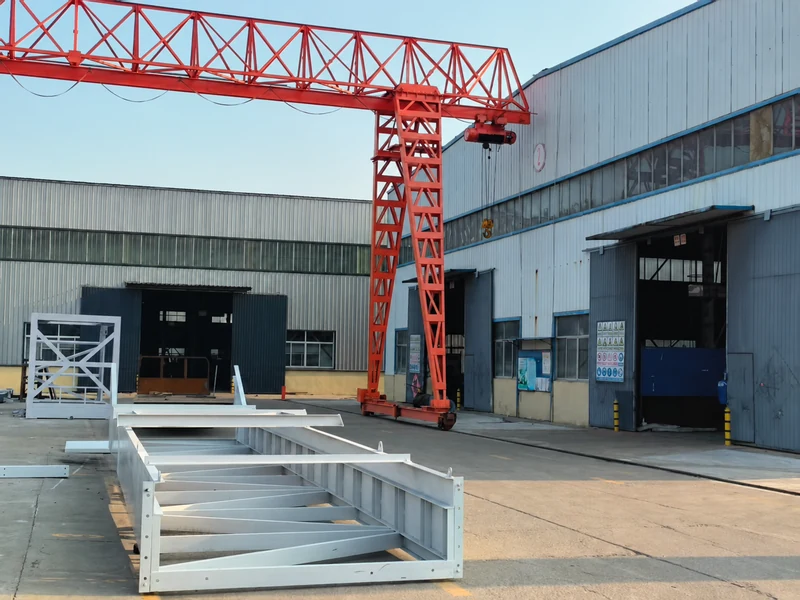
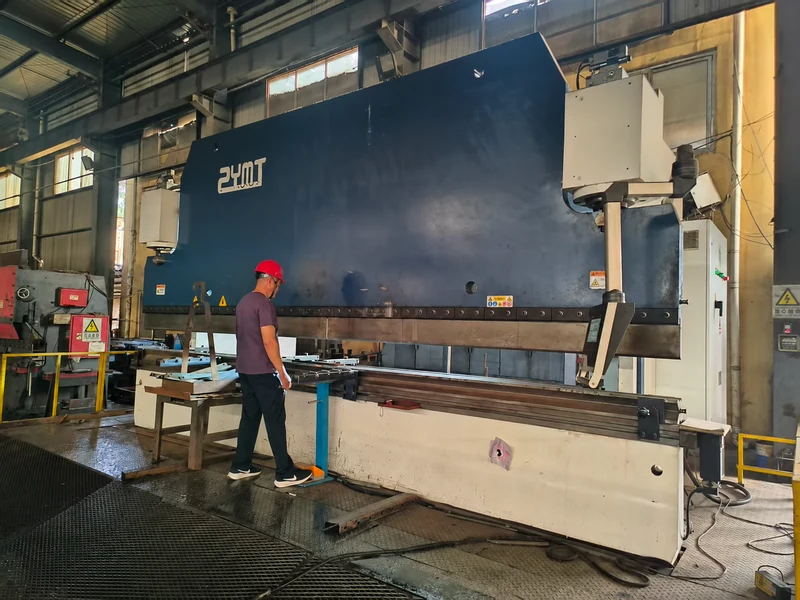
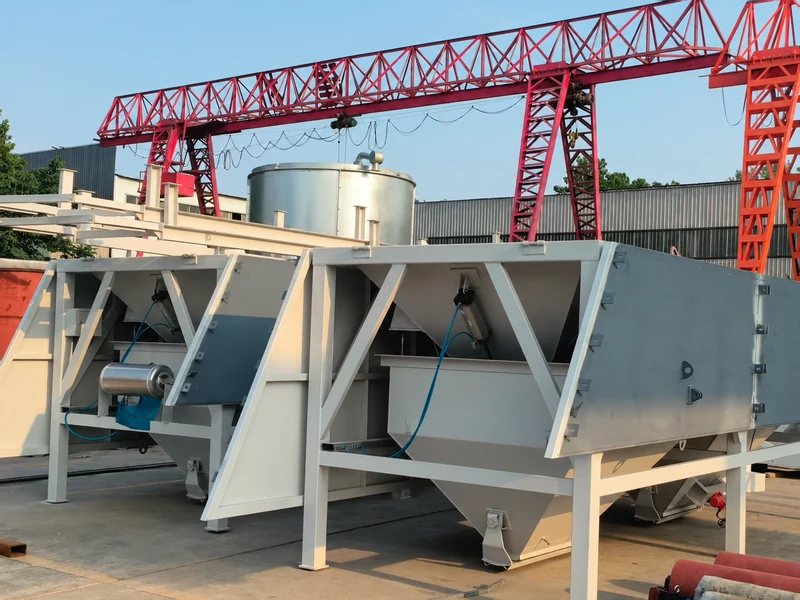
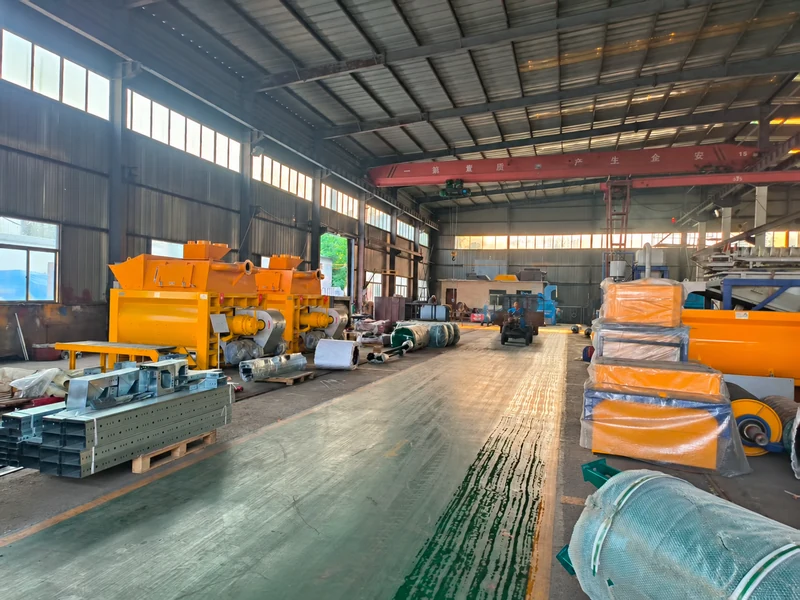
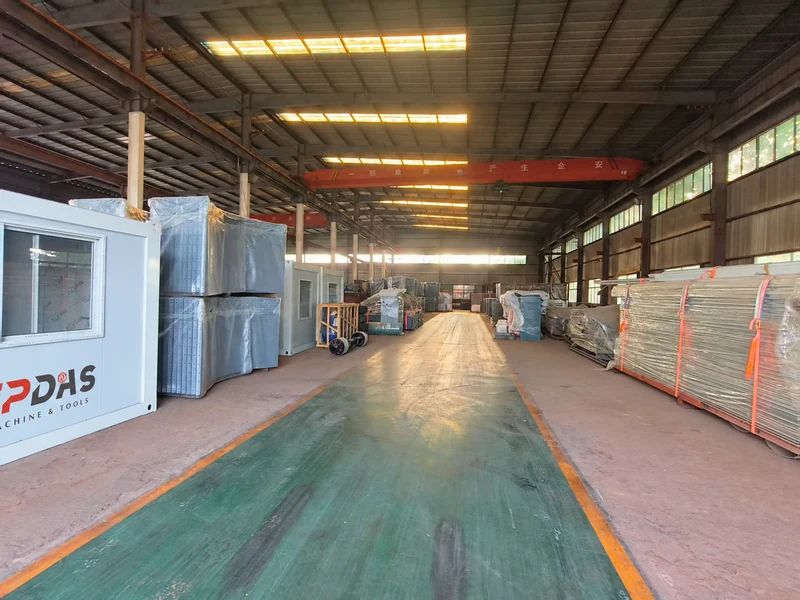
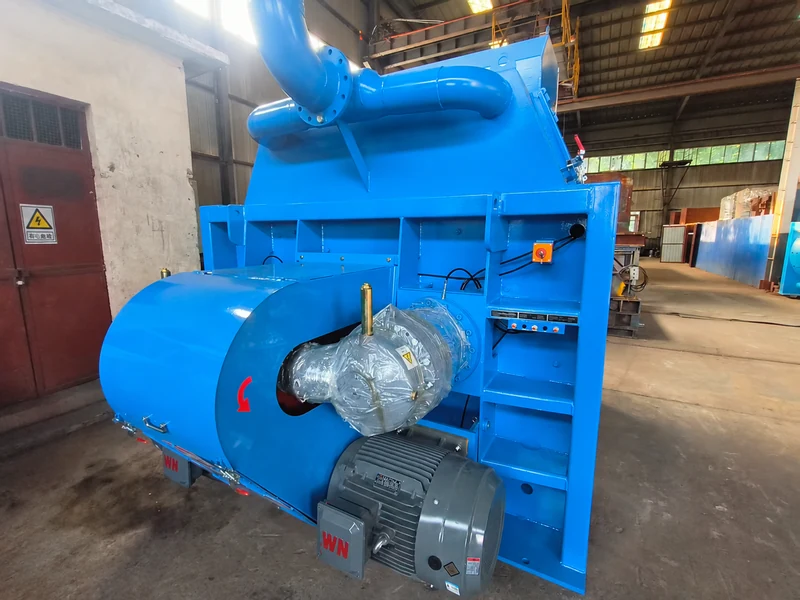
Pending confirmation. Model-specific inspection and certification evidence remains to be confirmed.
Discuss Your Mobile Production Plan with EPDAS
Compare the YHZS output bands and equipment arrangements with your project's production and relocation needs. EPDAS can help clarify the model data, supporting equipment and order-specific setup scope.
Discuss Your Plant Configuration