

Concrete Batching Plants
Stationary Concrete Batching Plant
25–240 m³/h theoretical production capacities, with bucket-fed and belt-fed HZS configurations for fixed-site concrete production.
- 25–240 m³/h theoretical productivity
- Bucket or belt aggregate feeding
- 4.0 m documented discharge height
Model data is supplied by the client. Configuration and operating conditions need confirmation for your order.
Overview
A stationary concrete batching plant brings material storage, weighing, feeding and mixing together at a dedicated production site. It is a practical choice for concrete producers and contractors planning a stable supply point for ongoing construction work.
The EPDAS HZS range covers theoretical production capacities from 25 to 240 m³/h, with hoist-bucket and belt-conveyor configurations. Different models combine JS-series mixers, aggregate storage arrangements and batching equipment to suit different production requirements.
Choosing a plant involves more than selecting an hourly output. The concrete mix, available land, raw material deliveries and truck movements all influence how the installation will work. A suitable configuration connects these requirements into a manageable production process.
Choose the Feeding System Around Your Site
Aggregate feeding affects the plant layout, material movement and production cycle. EPDAS stationary batching plants are available in two documented model groups.
Hoist-Bucket Plants: A Compact Aggregate Transfer Arrangement
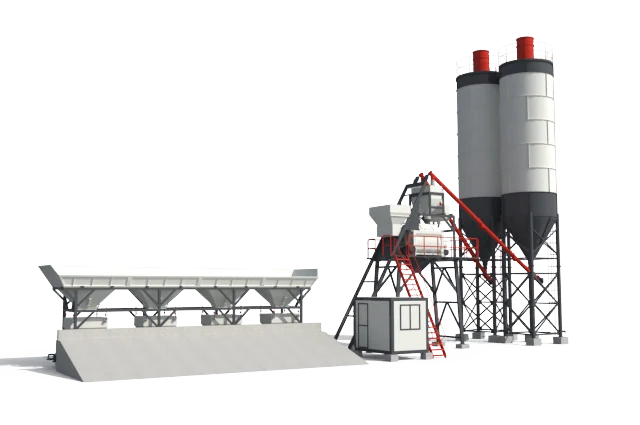
The bucket-fed range includes HZS25, HZS35, HZS50 and HZS75, with theoretical outputs of 25, 35, 50 and 75 m³/h.
In this arrangement, a hoist bucket lifts the weighed aggregate to the mixer charging position. Compared with an inclined belt-conveyor layout, this approach can reduce the ground length needed for aggregate transfer.
A bucket-fed plant is worth considering where available space is restricted or where production demand suits the smaller HZS models. The layout still needs adequate room for aggregate loading, truck access, cleaning and maintenance.
Selection should also account for the lifting cycle and access to the bucket, guides and associated equipment. A compact arrangement works best when routine inspection remains straightforward.
Belt-Conveyor Plants: Plan for Higher Production Demand
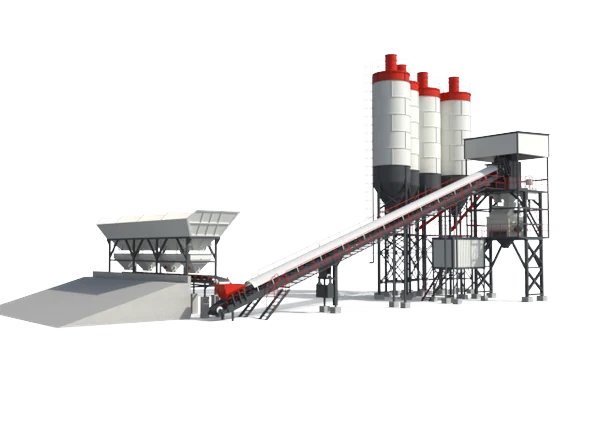
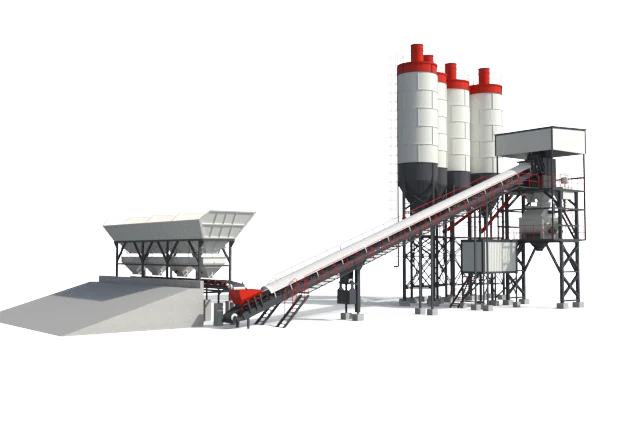
The belt-fed range includes HZS60, HZS90, HZS120, HZS150, HZS180 and HZS240, covering theoretical outputs from 60 to 240 m³/h.
A belt conveyor transfers aggregate towards the mixer charging system. This arrangement is commonly considered for installations with higher material throughput and enough space for the conveyor route.
The site plan should allow for conveyor inclination, transfer points, guarding and maintenance access. Aggregate replenishment must also keep pace with production: a larger mixer cannot compensate for bins that frequently run short of material.
EPDAS Stationary Batching Plant Model Range
Use the model range to establish a shortlist, then check the detailed configuration against the intended application. The original model-by-model technical tables are retained below.
| Bucket type | Unit | HZS25 | HZS35 | HZS50 | HZS75 |
|---|---|---|---|---|---|
| Theoretical productivity | m3/hr | 25 | 35 | 50 | 75 |
| Mixer model | – | JS500 | JS750 | JS1000B | JS1500B |
| Mixing motor power | kw | 18.5 | 30 | 37 | 55 |
| Feeding mode | – | Hoist bucket | Hoist bucket | Hoist bucket | Hoist bucket |
| Cycling period | s | 72 | 72 | 72 | 72 |
| Max. aggregate size | mm | Ф80 | Ф80 | Ф80 | Ф80 |
| Aggregate bins capacity | m3 | 2*6 | 3*6 | 3*12 | 3*12 |
| Discharging height | m | 4.0 | 4.0 | 4.0 | 4.0 |
| Aggregate weighing precision | – | ±2% | ±2% | ±2% | ±2% |
| Power weighing precision | – | ±1% | ±1% | ±1% | ±1% |
| Water weighing precision | – | ±1% | ±1% | ±1% | ±1% |
| Additive weighing precision | – | ±1% | ±1% | ±1% | ±1% |
| Belt type | Unit | HZS60 | HZS90 | HZS120 | HZS150 | HZS180 | HZS240 |
|---|---|---|---|---|---|---|---|
| Theoretical productivity | m3/hr | 60 | 90 | 120 | 150 | 180 | 240 |
| Mixer model | – | JS1000 | JS1500 | JS2000 | JS3000 | JS3000 | JS4000 |
| Mixing motor power | kw | 37 | 55 | 2*37 | 2*55 | 2*55 | 2*75 |
| Feeding mode | – | Belt conveyor | Belt conveyor | Belt conveyor | Belt conveyor | Belt conveyor | Belt conveyor |
| Cycling period | s | 60 | 60 | 60 | 60 | 60 | 60 |
| Max. aggregate size | mm | Ф80 | Ф80 | Ф80 | Ф80 | Ф80 | Ф80 |
| Aggregate bins capacity | m3 | 3*12 | 3*12 | 4*20 | 4*20 | 4*20 | 4*25 |
| Discharging height | m | 4.0 | 4.0 | 4.0 | 4.0 | 4.0 | 4.0 |
| Aggregate weighing precision | – | ±2% | ±2% | ±2% | ±2% | ±2% | ±2% |
| Power weighing precision | – | ±1% | ±1% | ±1% | ±1% | ±1% | ±1% |
| Water weighing precision | – | ±1% | ±1% | ±1% | ±1% | ±1% | ±1% |
| Additive weighing precision | – | ±1% | ±1% | ±1% | ±1% | ±1% | ±1% |
Figures describe the documented model configurations. Theoretical productivity is not guaranteed operating output; confirm the selected configuration and conditions for your order.
What Makes Up a Stationary Concrete Batching Plant?
A central-mixing plant coordinates several systems. Their capacities and operating sequences need to work together.
Aggregate Storage and Batching
Aggregate bins separate the sand and stone fractions used in the concrete mix. Their number and storage capacity influence how materials are managed and replenished.
Storage should reflect local delivery patterns as well as production demand. A plant receiving frequent aggregate deliveries may need a different stockyard arrangement from one relying on larger, less frequent shipments.
Keeping materials separated and the loading area organised also helps prevent contamination and unintended changes in grading.
Aggregate Transfer
The transfer system moves weighed aggregate to the mixer. Depending on the selected EPDAS model, this is handled by a hoist bucket or belt conveyor.
Its position affects the relationship between the aggregate bins, mixer structure and vehicle routes. Transfer equipment should be accessible for inspection without creating unnecessary conflicts with loading operations.
JS-Series Mixing Equipment
The documented EPDAS model range uses JS-series mixer options, with the mixer specification varying by plant model.
The mixer must suit the intended concrete and production schedule. Batch size, material characteristics and mixing requirements should be reviewed together rather than treating mixer capacity as the only selection criterion.
Water and Admixture Batching
Water and admixtures must be introduced in controlled quantities according to the approved mix design.
The EPDAS specifications include model-related weighing information. During operation, measuring equipment needs appropriate checking and maintenance, while material adjustments should follow the producer’s quality-control procedures.
Cementitious Material Handling and Controls
A complete installation also requires suitable arrangements for storing, conveying and batching cementitious materials, together with coordinated equipment controls.
Silo capacity, powder types, conveying equipment and control functions should be defined for the selected supply package. They should not be assumed from the plant model name alone.
How the Concrete Production Process Works
In a typical stationary central-mixing plant, concrete production follows a coordinated batch sequence.
Material Preparation
Aggregates are stored separately, while cementitious materials, water and admixtures are made available to their respective batching systems.
Weighing and Dosing
The required quantities are measured according to the selected concrete recipe. Material condition, including aggregate moisture, must be considered when setting batch quantities.
Transfer and Charging
Aggregates move to the mixer through the selected feeding system. Other ingredients enter according to the approved charging sequence.
Mixing
The mixer combines the ingredients for the time required by the concrete mix and production procedure.
Discharge
The batch is released into the receiving vehicle or downstream handling system.
The precise sequence, interlocks and operating instructions depend on the installed configuration. Operators should follow the approved equipment documentation.
Plan Around Achievable Production, Not Only Rated Capacity
The hourly rating is a useful comparison point, but the whole production chain determines how much concrete reaches the customer or placement area.
For example, a plant may wait because a truck has not returned, aggregate replenishment is delayed or a change of concrete recipe requires additional preparation. Cleaning, inspections and planned maintenance also occupy part of the working day.
A useful planning exercise separates three questions:
An oversized plant can leave equipment underused. An undersized installation can become a constraint during busy periods. The aim is a workable balance between current demand, peak loading and credible future expansion.
- What is the expected total concrete demand?
- How concentrated is that demand during peak periods?
- Can material supply and concrete transport support the proposed production rate?
Concrete Consistency Starts Before the Mixer
Consistent production depends on material control as well as equipment.
Account for Aggregate Moisture
Sand and stone can carry varying amounts of water. If those changes are ignored, the effective water content of the concrete can differ from the intended mix.
Moisture checks and appropriate batching adjustments therefore belong in the operating plan. Any proposed automatic moisture-measurement system should be assessed separately for compatibility and scope.
Maintain Measuring Equipment
Weighing and dosing equipment should be checked at suitable intervals. Material buildup, mechanical interference and poor maintenance can affect measurement.
An organised inspection routine helps operators identify problems before they influence repeated batches.
Keep Production Records Useful
Material quantities, recipe changes, checks and observed problems should be recorded in a way the production team can review.
Where electronic batch records or reporting functions are required, confirm those functions in the control-system specification before ordering.
Applications for Fixed-Site Concrete Production
Ready-Mixed Concrete Supply
A stationary plant can provide a dedicated production point for supplying multiple construction sites.
For this application, plant selection should consider truck scheduling and delivery routes alongside mixer output. Production capacity has practical value when the transport fleet can move the concrete as required.
Long-Duration Construction Projects
Housing developments, industrial facilities and other projects with sustained concrete demand may justify an on-site production installation.
The assessment should include the available working area, project duration, raw material access and the practical alternatives for obtaining concrete locally.
Infrastructure Construction
Roads, bridges and other infrastructure works can involve changing demand across different construction stages.
A suitable plant configuration should be evaluated against the actual mix requirements and placement programme. Acceptance of the concrete remains dependent on the relevant project specifications and testing.
Selected Precast Applications
A stationary batching system may also be considered for supplying a precast production process.
Suitability requires a closer review of mixer selection, concrete consistency, batch size and downstream handling. A general plant capacity rating does not establish compatibility with every precast product.
Design the Site Around Material and Vehicle Movement
The plant structure is only one part of the installation.
A practical layout also accommodates aggregate deliveries, loader operation, cement tanker access, concrete trucks, maintenance work and washout arrangements. These activities should be considered together before the foundation positions are fixed.
The EPDAS source specifications list a 4.0 m discharge height across the documented models. The final installation still needs checks for the receiving vehicle, ground levels and safe clearance.
Foundation design and structural requirements must be confirmed for the selected equipment and local ground conditions. A generic product photograph cannot replace dimensioned installation drawings.
Leaving room for maintenance and future changes can also prevent avoidable restrictions once the plant is operating.
Dust, Water and Housekeeping Need Their Own Plan
Environmental requirements should be addressed as part of site planning.
Depending on local conditions, the installation may require measures for powder handling, aggregate transfer points, vehicle routes, noise and wash water. Enclosures, filtration or water-management equipment must be specified according to the actual project requirements.
Effective housekeeping also matters. Spilled material, blocked drainage and hardened concrete can interfere with normal work and make maintenance more difficult.
These measures should be reviewed as a defined part of the project scope. Environmental equipment and regulatory compliance should not be assumed to be included in every standard plant package.
Installation, Commissioning and Daily Care
Installation planning should begin with approved drawings, prepared foundations, lifting arrangements and the necessary utilities.
Commissioning then checks the assembled equipment, measuring systems, controls, interlocks and discharge arrangements before routine production begins. Trial batches and concrete testing help the producer establish an appropriate operating process for the selected mixes.
During service, attention should focus on wear components, mixer buildup, transfer equipment, lubrication and measuring systems. Cleaning and maintenance must follow safe isolation procedures and the equipment manual.
For an EPDAS purchase, installation assistance, operator training, spare parts and technical support should be agreed as part of the order. Their scope should be clear before delivery.
Understand the Complete Investment
A stationary concrete batching plant price depends on more than theoretical output.
The selected mixer, aggregate storage, feeding arrangement, powder-handling equipment and control package all influence the equipment scope. Freight, foundations, installation, utilities and supporting site equipment affect the wider investment.
When comparing proposals, check what each package includes. Two plants with the same nominal capacity may differ substantially in storage, controls, accessories and installation requirements.
Operating costs also deserve attention. Material handling, labour, energy, maintenance and truck utilisation all influence the cost of producing and delivering concrete.
A useful comparison considers the complete working installation over its intended service period.
Frequently Asked Questions
What is the difference between stationary and mobile batching plants?
A stationary plant is arranged for production at a dedicated site. A mobile plant is designed with relocation as a stronger priority. The choice depends on project duration, moving frequency, site preparation and the required configuration.
Is a belt-fed plant always better than a bucket-fed plant?
No. Belt feeding and bucket feeding solve different layout and production requirements. Available space, material throughput, operating conditions and maintenance access should guide the choice.
Will the plant produce its rated capacity throughout the working day?
Theoretical productivity is not a guaranteed daily production figure. Actual output depends on the concrete recipe, material supply, equipment sequence, truck availability and operating interruptions.
How much land does a stationary batching plant need?
There is no single site area that applies to every model. Aggregate storage, silos, access roads, vehicle turning space and supporting facilities must be included in the layout assessment.
Can one plant produce different concrete mixes?
Different recipes may be possible where the installed material storage, dosing equipment, mixer and controls support them. Each intended mix should be checked against the selected configuration and validated through the producer’s quality-control process.
What determines the price of a stationary batching plant?
Price depends on the selected mixer, aggregate storage, feeding arrangement, powder-handling equipment and control package. Compare the equipment scope together with freight, foundations, utilities and installation requirements.
Does a stationary concrete plant need a foundation design?
Foundation and structural requirements must be confirmed for the selected equipment and local ground conditions. Use approved dimensioned drawings for site preparation rather than a general product photograph.
What discharge height is listed for the EPDAS HZS models?
The documented model tables list a 4.0 m discharge height. Check the receiving vehicle, actual ground levels and required clearance against the final installation drawings.
Are dust collection and water-management systems included?
Environmental equipment should be defined in the selected supply package. The filtration, enclosure and wash-water arrangements needed for a site depend on the project scope and local requirements; they should not be assumed to be standard on every model.
What routine maintenance should be planned?
Plan inspections of wear components, mixer buildup, transfer equipment, lubrication and measuring systems. Follow the equipment manual and safe isolation procedures for cleaning and maintenance, and confirm spare-parts and support arrangements for the order.
Manufacturing & product evidence
EPDAS identifies specialized manufacturing bases for the relevant equipment families.
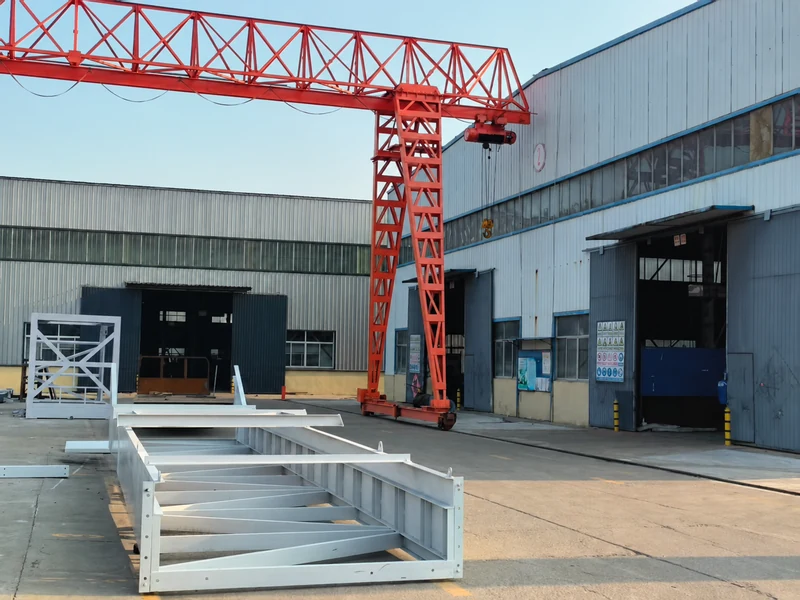
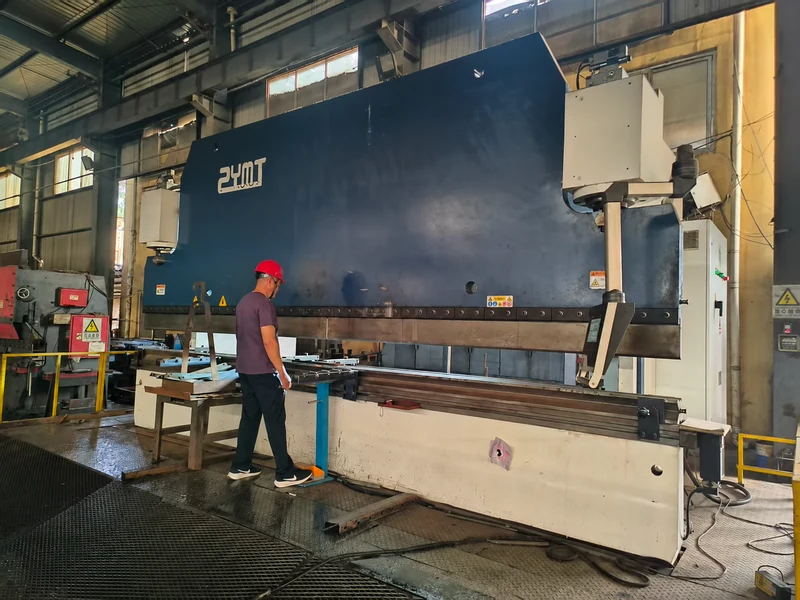
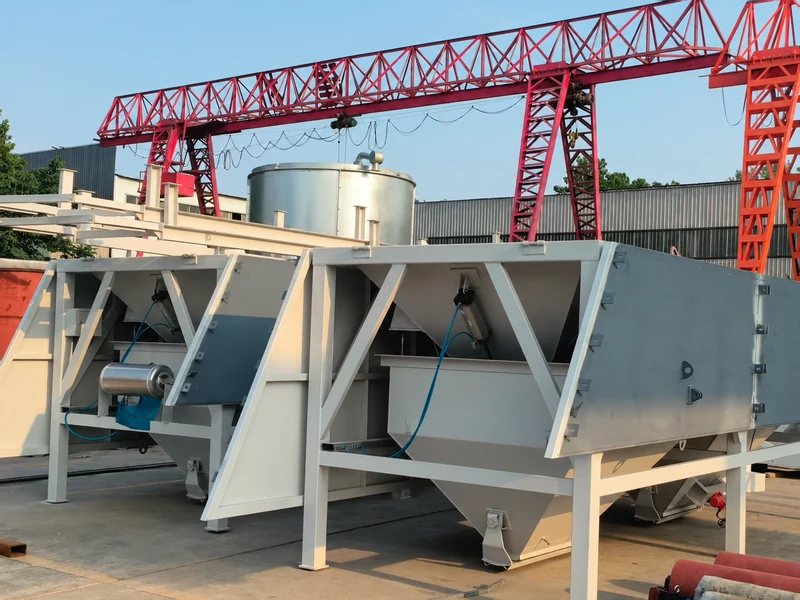
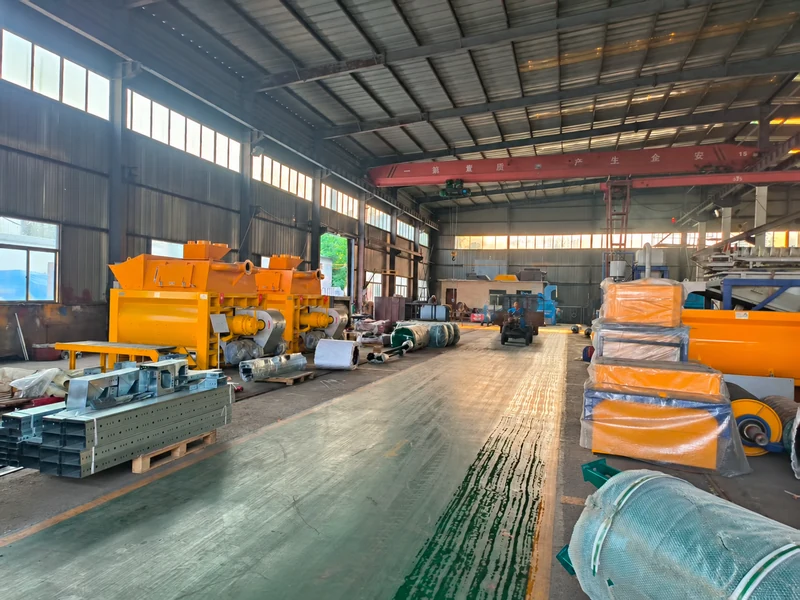
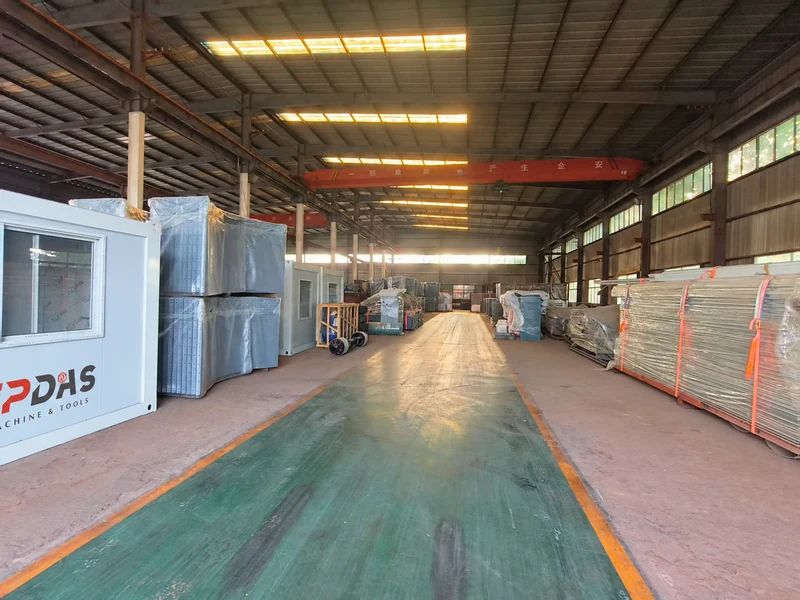
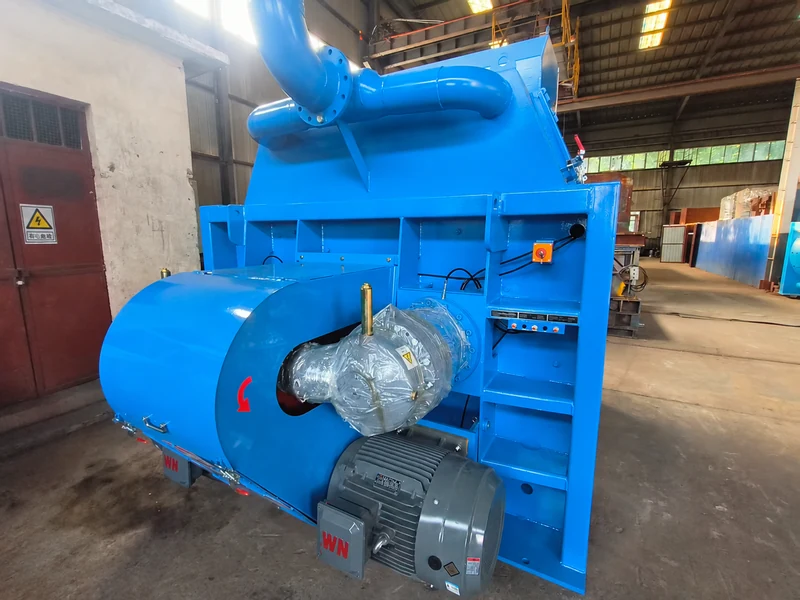
Pending confirmation. Model-specific inspection and certification evidence remains to be confirmed.
Discuss Your Stationary Plant Configuration with EPDAS
Compare EPDAS bucket-fed and belt-fed HZS plants against your production plan. Our team can discuss the documented model options and clarify the equipment, layout and support scope for your proposed installation.
Choose a configuration that fits the way your site will produce and deliver concrete.
Discuss Your Plant Configuration