
EPDAS Machine and ToolsEPDAS Machine and Tools

APPLICATIONS

Start with your application.

Use the supplied project context to frame an equipment-selection discussion.

Choose a working context

Applications & equipment

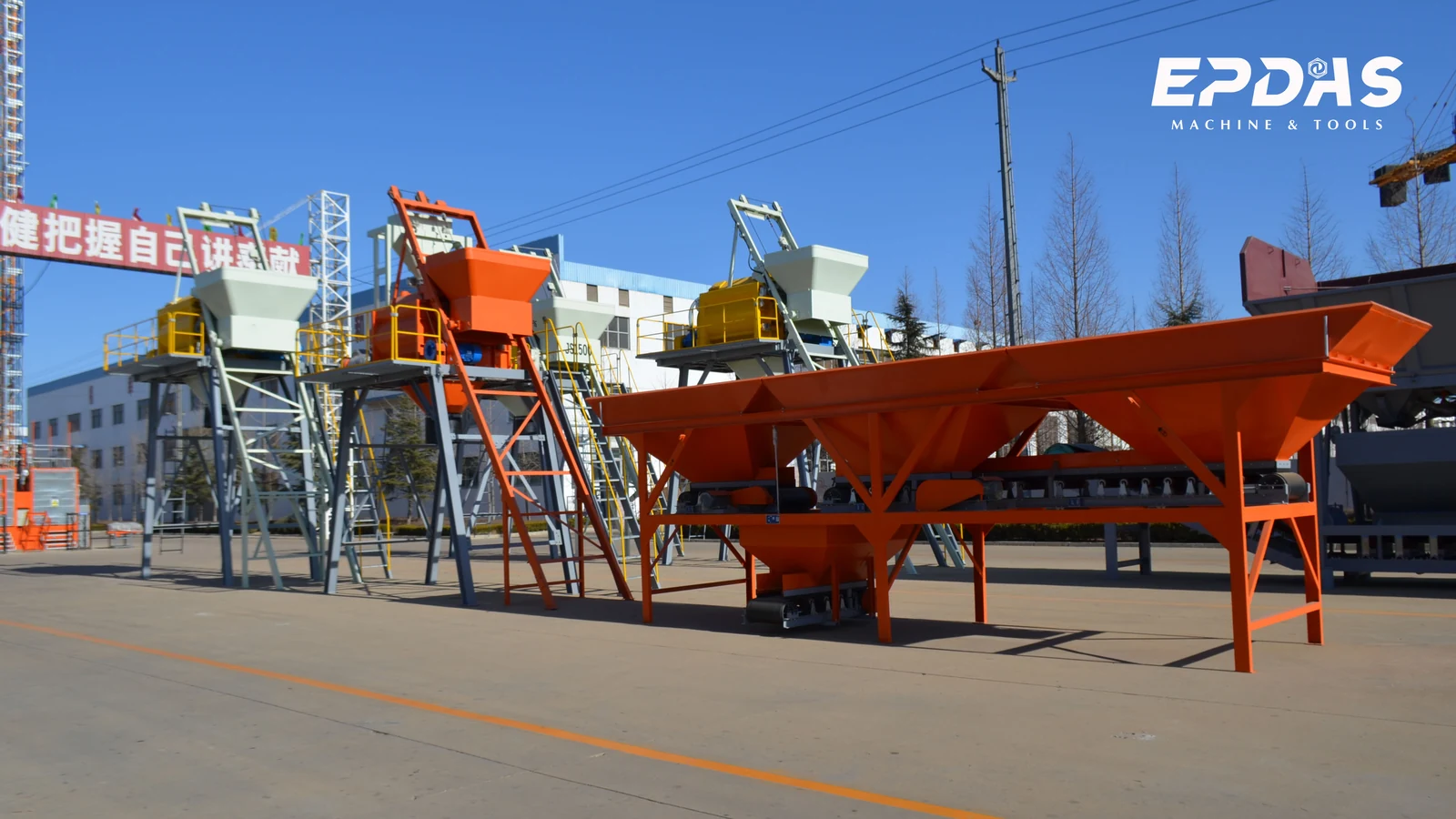
Concrete Supply equipment illustration
Equipment-category illustration

Own-project and ready-mix production

Concrete Supply

A concrete supply plan starts with the work that needs to be completed: the daily volume, the busiest delivery periods and the concrete grades required. EPDAS concrete batching plants support equipment-selection discussions for contractors producing for their own projects and businesses planning a local ready-mix supply operation.

The aim is to connect production with delivery. A plant’s theoretical hourly output is one comparison point, but material replenishment, the mix design, mixing cycle and truck movements all affect the concrete available at the placement point. Share a realistic demand schedule so the proposed configuration can be reviewed against the whole operation.

Match the Plant Arrangement to the Project

A stationary concrete batching plant is a starting point for a dedicated production location. Compare its aggregate feeding arrangement, mixer and storage with the available land and intended production. Where relocation is part of the project plan, review foundation-free, mobile, portable or containerized plant arrangements against the actual transport and assembly requirements.

Dry-mix batching is a different process choice: materials are batched for mixing in a suitable mixer truck rather than mixed in a central plant mixer. Decide how mixing and delivery will be managed before comparing models. The right comparison is between complete operating arrangements, rather than capacity labels alone.

Plan Storage, Traffic and Production Control

Describe the aggregate types, cement and other powder storage, water supply and admixture requirements. Allow for incoming deliveries, loader travel, mixer-truck loading, cleaning and maintenance access. Ground conditions, drainage, structural support and local approvals need assessment for the proposed site, including when a product is described as foundation-free.

Concrete quality also depends on the selected materials, approved recipes, measurement and operating procedures. Discuss weighing systems, recipe management and the control package against the proposed equipment specification. Identify required batch records and acceptance checks before supply; the website’s model tables do not establish a guaranteed output or concrete quality result.

Project Context: Height and Future Relocation

The Philippine MHZS120 project story describes a customer expanding beyond two smaller plants to serve its own construction projects and local concrete sales. Height restrictions near an airport, the plant layout and possible future relocation were central to the configuration discussion.

That discussion included a horizontal cement silo and an I-shaped layout. It illustrates why a concrete supply proposal needs a site plan as well as an output target. These choices belong to that project context; another location needs its own storage, layout and technical review.

Discuss concrete supply
Concrete Pumping equipment illustration
Equipment-category illustration

Connect concrete supply with the placement task

Concrete Pumping

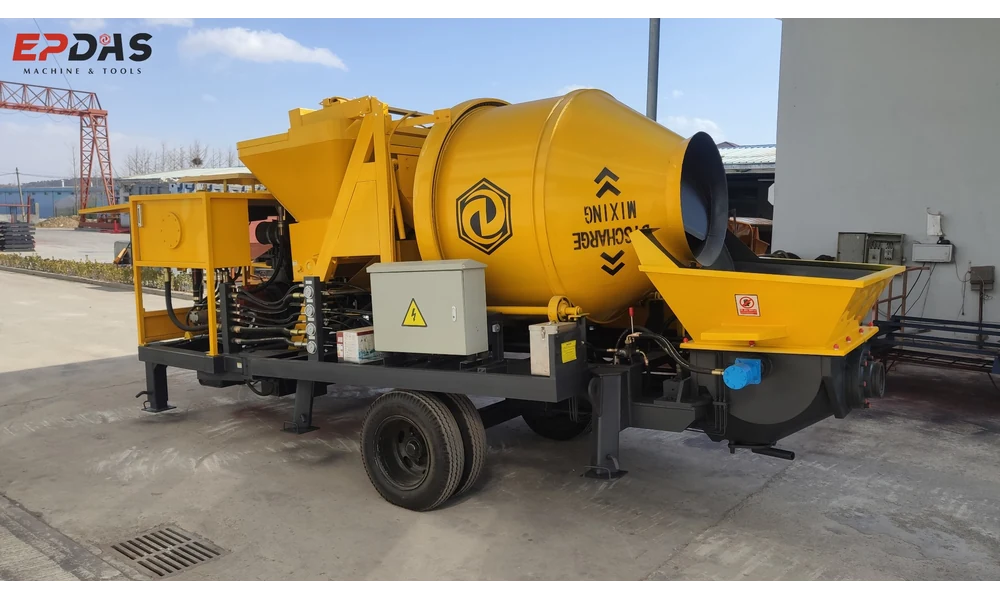
Concrete pumping connects the concrete source with the point where the material is placed. EPDAS offers concrete mixer pumps, trailer concrete pumps, concrete boom pumps and spider booms for comparison. Begin with the concrete supply method, placement location and delivery route so that each part of the proposed system has a clear role.

Describe the intended mix and aggregate, the horizontal and vertical route, access to the work area and the required placing rate. Pipeline configuration and the concrete’s suitability for pumping affect equipment selection. Maximum pressure, theoretical output and listed conveying distance should not be interpreted as simultaneous performance guarantees.

Choose How Concrete Will Be Supplied

A concrete mixer pump combines a mixing function with pumping in the documented equipment configuration. It is a useful category to compare when concrete is prepared at the work location. Review how aggregates, cement and water will be measured and loaded, and how the mixing cycle will keep pace with the placement task.

A trailer concrete pump receives concrete from a separate supply arrangement. Consider the consistency of truck deliveries or upstream mixing, the pump’s loading position and the delivery pipeline together. A pump cannot make up for an interrupted concrete supply or a mix that has not been assessed for the proposed pumping operation.

Compare Pipeline and Boom Placement

For a concrete boom pump, review the documented boom geometry, working area, access and setup requirements against the pour location. Reach figures alone do not establish whether a machine can serve a particular position: obstructions, available setup space and the approved operating configuration also matter.

A spider boom is a concrete placing device supplied by an upstream pumping system. It should be considered as part of that complete arrangement rather than as a replacement for the concrete source or pump. Confirm support, installation and compatibility requirements for the selected equipment before planning its use.

Prepare the Site and Agree the Supply Scope

Provide a route sketch showing changes in height, bends, the intended discharge point and available work space. Identify the power or engine requirements, site access and arrangements for cleaning and washout. Qualified personnel should assess setup, support and the operating procedure using the selected machine’s documentation.

The EPDAS company profile identifies concrete conveying equipment at the Yantai manufacturing base, including trailer and mixer pumps. Use the individual product pages to compare the documented models, then agree the pump, delivery-line components, placing equipment and support included in the proposal. A company profile is not evidence that every accessory is part of every order.

Discuss concrete pumping
Agricultural Handling equipment illustration
Equipment-category illustration

Materials, attachments and working conditions

Agricultural Handling

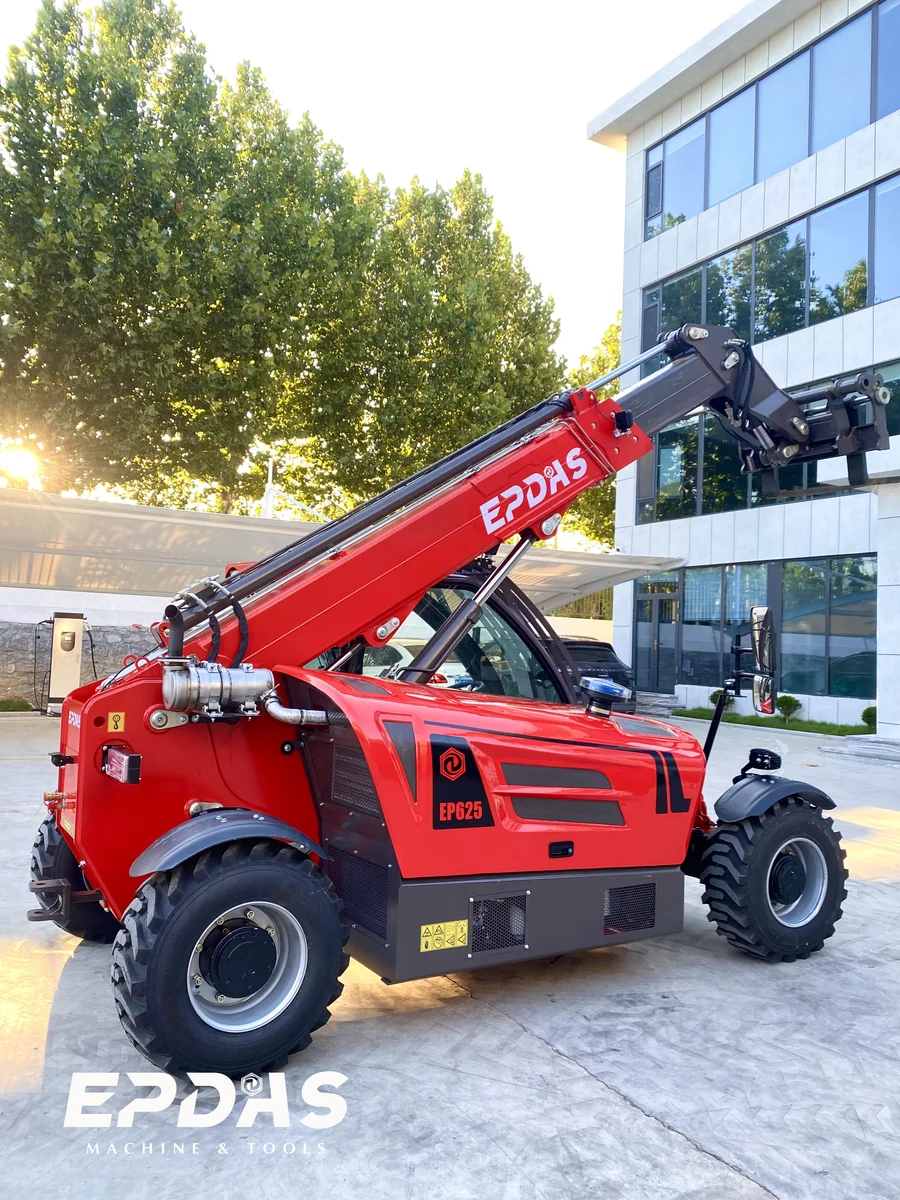
Agricultural material handling can involve moving palletized supplies, handling forage or bales, loading loose materials and positioning components for greenhouse construction. EPDAS telehandlers provide a product category to assess where the load must be both lifted and reached into position. Describe the actual task before choosing a model or attachment.

Start with the load’s weight, dimensions and centre of gravity, the required lifting height and forward reach, and the condition of the working surface. A machine’s headline maximum capacity does not apply at every boom position. The approved load chart for the machine and attachment must support the intended handling task.

Select Attachments Around the Material

Forks, bale-handling tools and buckets perform different jobs. Identify the material, load shape and pickup method, then confirm the attachment interface, hydraulic requirements and compatibility with the proposed telehandler. An attachment’s own rating does not establish the capacity of the combined machine at a particular reach.

Greenhouse work may require handling structural components in restricted spaces, while forage handling brings a different load shape and gripping requirement. Discuss these tasks separately so the proposal identifies the right tools and operating limits. Personnel lifting requires a separately approved machine and platform arrangement and must never be assumed from an attachment list.

Review Access, Ground and Operating Conditions

Share entrance widths, available turning space, building clearances and the surfaces between storage and work areas. Wet ground, slopes and uneven surfaces require a site-specific assessment against the machine documentation. Review the required tyres, visibility and engine configuration as explicit specification items rather than assuming that every option is standard.

Operating and maintenance planning should reflect the working environment and the skills of the operators. Identify inspection routines, storage, replacement components and the support needed for the chosen equipment. Any transport, road-use or local engine requirements should be confirmed for the destination and intended use.

Project Context: Greenhouse and Forage Handling

The Chilean T3007K project story records a discussion covering greenhouse installation and agricultural material handling. The customer considered the engine configuration and several attachments for different tasks, showing how one enquiry can contain distinct requirements that need separate technical checks.

The case is useful as a requirements example, rather than a universal attachment package or evidence of measured productivity. EPDAS can use your material list, working heights and site photographs to frame a comparable selection discussion. Agree the exact machine, approved attachments, documentation and service scope in the individual proposal.

Discuss agricultural handling

Project context

EPDAS project stories connect customer requirements with specific equipment discussions. The MHZS120 example addresses concrete supply, site height and future relocation; the Chilean T3007K example addresses greenhouse work and agricultural material handling.

Use these records to prepare questions for your own project. Configuration discussions and equipment illustrations are not proof of another site’s output, delivery completion or operating results. Review the full story for its context and evidence limits.

Read project stories

Prepare the selection inputs

Send the country and project location, the intended task and a simple site layout. For concrete operations, include the required supply rate, concrete grades and material flow; for handling operations, include load dimensions, weight, lifting height and reach.

Photographs, access dimensions and a clear list of constraints help make the equipment discussion specific. Identify future relocation, available utilities and documentation requirements early so they can be reflected in the proposed configuration.

  • Required concrete output or lifting task
  • Site dimensions, height and access constraints
  • Country and project location
  • Working conditions, attachments and future relocation needs

Discuss the delivery scope

Before ordering, align the equipment list with the drawings, configuration and commercial proposal. Clarify delivery responsibilities, assembly or commissioning assistance, operating documentation, spare parts and any training requested for the selected machine.

EPDAS combines manufacturing, international sales and after-sales activities in its Group profile. The actual service package, timing and responsibilities are agreed for each order; use the enquiry form to describe what your project needs.

Let’s discuss the requirements.

Share your application, capacity, location and equipment requirements.

Request a quote

HOMEPAGE REVIEW

This page is included in the approved plan. Its full content will be prepared after the homepage review.

Discuss your requirements