
Concrete Batching Plants
Dry Mix Concrete Batching Plant
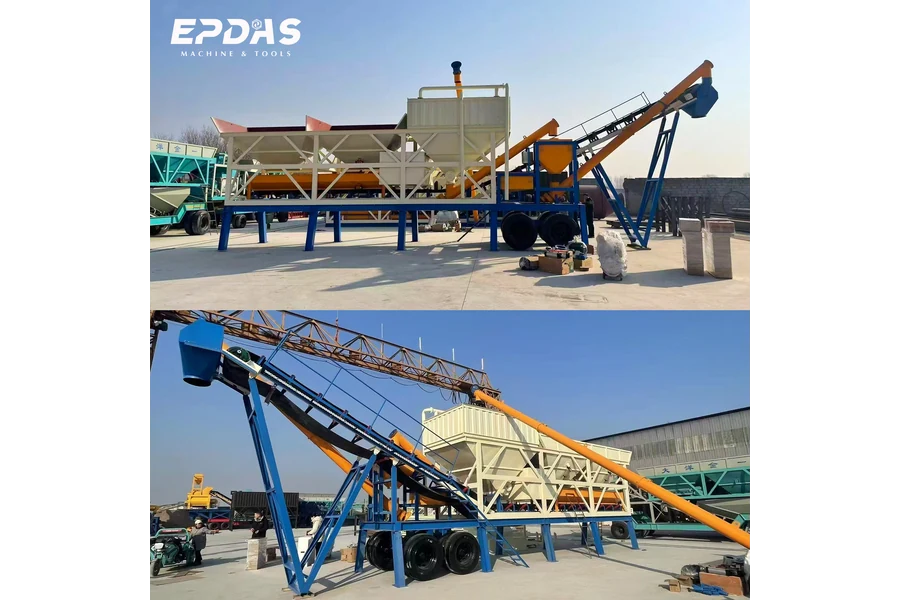
GHZ60 dry-batching configuration with listed productivity of 50–60 m³/h, separate ingredient scales and a defined downstream mixing arrangement.
- GHZ60 model
- 50–60 m³/h listed productivity
- Four 6 m³ aggregate storage bins
Model data is supplied by the client. Configuration and operating conditions need confirmation for your order.
Overview
A dry mix concrete batching plant measures and loads the ingredients for concrete without using a central plant mixer to complete the mixing process. In a typical transit-mix operation, a compatible truck mixer performs the mixing stage. Plant selection must therefore consider the batching installation and the vehicle operation together.
The documented EPDAS configuration is GHZ60, with listed productivity of 50–60 m³/h. Its component schedule covers aggregate feeding, separate cement, water and additive scales, a gathering hopper, supporting structure and control equipment.
Dry mix in this context does not mean packaged dry mortar or a process that never uses water. The GHZ60 schedule explicitly contains water and additive equipment. The final charging and mixing procedure must be defined for the intended concrete supply operation.
Select a Dry Batching Arrangement Around the Truck Fleet
Batching and Mixing Have Different Roles
The plant measures and transfers ingredients, while the downstream mixer must be suitable for mixing the intended load. A truck's availability, loading interface and operating procedure are therefore central to the production plan.
Distinguish Listed Equipment from Options
The GHZ60 schedule marks chassis movement, computer control and software, UPS, screw conveyor and cement silo entries as options. Compare the proposed package carefully instead of treating every item in the component list as standard supply.
EPDAS GHZ60 Component Specifications
The original schedule below retains the aggregate system, scale hoppers, structural components, controls and optional equipment. It describes a documented configuration, not a universal mixing recipe or a complete installation drawing.
| Model | GHZ60 |
|---|---|
| Productivity | 50~60m³/hr |
| PL1600 Aggregate system | Storage bins 4×6 m3 |
| PL1600 Aggregate system | Vibrator MVE100/3 |
| PL1600 Aggregate system | Scale hopper 1.6 m3 |
| PL1600 Aggregate system | Feeding belt conveyor 11kw |
| PL1600 Aggregate system | Belt width 650mm |
| Cement scale | Scale hopper 500kg |
| Cement scale | Vibrator MVE60/3 |
| Cement scale | Butterfly valve SD250 |
| Water scale | Scale hopper 250kg |
| Water scale | Butterfly valve SD100 |
| Water scale | Water pump 2.2kw |
| Additive scale | Scale hopper 30kg |
| Additive scale | Butterfly valve SD50 |
| Additive scale | Water pump 1.1kw |
| Additive scale | PE Storage bucket 1.5m³ |
| Main structure | Outer frame (25U-bar welding) |
| Main structure | Leg braces and triangle braces |
| Main structure | Ladder & handrail |
| Main structure | Tires and chassis movement system (OPTIONS) |
| Hopper for gathering materials | Hopper |
| Hopper for gathering materials | Wear-resistant liner plate |
| Hopper for gathering materials | Rubber cylinder |
| Pneumatic control system | Air compressor 7.5kW |
| Pneumatic control system | Oil-water separator |
| Pneumatic control system | Solenoid valve |
| Pneumatic control system | Air ropes and connectors |
| Electrical control system | Integrated control cabinet |
| Electrical control system | Voltammeter |
| Electrical control system | Buttons and indicator lights |
| Electrical control system | Weighing display instrument |
| Electrical control system | Control computer and software (OPTIONS) |
| Electrical control system | Uninterruptible Power Supply 500VA (OPTIONS) |
| Cement screw conveyor | Φ219×9m (OPTIONS) |
| Cement silo | PSC100 set (100 tonnes OPTIONS) |
Figures describe the documented model configurations. Theoretical productivity is not guaranteed operating output; confirm the selected configuration and conditions for your order.
Main Systems in the Dry Batching Plant
PL1600 Aggregate System
The source lists four 6 m³ storage bins and a 1.6 m³ scale hopper. A belt conveyor transfers aggregate towards the collection and loading arrangement. Aggregate grading, bin replenishment and the intended recipe need to fit the selected system.
Separate Ingredient Scales
The component schedule lists a 500 kg cement scale hopper, 250 kg water scale hopper and 30 kg additive scale hopper. These are equipment-capacity entries; they are not recommended proportions for a concrete mix and should not be combined into an invented recipe.
Gathering Hopper, Frame and Controls
The source identifies a gathering hopper with wear-related components, a supporting frame, access provisions, pneumatic equipment and an integrated control cabinet. Verify the final loading geometry and control scope against the order drawings.
How a Dry Batching Process Works
In a typical dry-batching arrangement, the recipe determines the ingredient quantities. Aggregates and cementitious materials are measured and transferred to the loading point, with water and admixtures handled according to the approved batching procedure.
The ingredients enter suitable receiving equipment for the defined downstream mixing process. For a transit-mix operation, the truck mixer and its operating procedure must be capable of producing the required concrete consistency.
The GHZ60 schedule does not establish a central mixer as part of the listed plant. Do not apply a wet central-mixing cycle or a fixed mixing time to this installation without confirming the complete process design.
Coordinate Batching Rate with Fleet Availability
The listed 50–60 m³/h productivity is not a guaranteed dispatch rate. A loading point may wait for an empty truck, material replenishment or checks between loads.
Consider truck arrival intervals, receiving capacity, recipe changes and the concrete delivery programme together. A batching system and fleet that are poorly matched can create queues at loading or interruptions in supply, regardless of the nominal equipment rating.
Control the Recipe Beyond the Weigh Hopper
Material measurement is one part of concrete quality. Ingredient condition, aggregate moisture, water additions and the downstream mixing procedure also need control.
Maintain the scales and dosing equipment, keep materials separated and record adjustments to the approved recipe. Concrete testing should verify the supplied product; the presence of a batching schedule does not prove that every truck or operating procedure will produce the same result.
Applications and Production Fit
Transit-Mix Concrete Supply
A dry-batching arrangement can be assessed where a suitable truck-mixer operation is part of the concrete supply plan. Review the plant, fleet, loading procedure and delivery routes as a coordinated system.
A Defined Alternative to Central Mixing
Compare dry batching with a central-mixing plant according to the intended concrete, available vehicles and production control. A dry-batch installation should not be selected solely because a central mixer is absent; the mixing responsibility still exists downstream.
Design the Loading Interface and Operating Yard
Confirm the gathering-hopper outlet, truck positioning, clearance and access using approved drawings. The component schedule is not a dimensioned loading-bay design.
Arrange aggregate loading, powder deliveries and truck circulation so they can be managed safely. Reserve room for inspection and servicing around the scales, valves, conveyor and hopper, and provide suitable ground support and drainage.
Dust, Spillages and Water Management
Ingredient loading can require dust-control measures at powder transfer and truck charging points. Define the necessary equipment for the actual installation and local operating requirements.
Plan for spilled material and water associated with the production and vehicle operation. Dry batching does not remove the need to manage washout, drainage or environmental responsibilities at the site.
Commissioning and Routine Maintenance
Before production, check the assembled plant, scales, dosing systems, controls and truck-loading interface. Confirm the batching sequence with the downstream mixing procedure and validate the concrete through trial production and testing.
Routine care includes conveyor checks, inspection of hopper liners and valves, pneumatic-system maintenance and verification of measuring equipment. Follow the equipment instructions and safe isolation procedures. EPDAS parts and support arrangements should be defined for the order.
Compare the Full Dry-Batching Investment
An equipment comparison should identify the included batching system and every selected option. Cement storage, screw conveying, computer control and movement equipment can materially change the package being compared.
Include foundations or support works, utilities, installation, freight and commissioning. Assess the existing or proposed truck fleet separately: downstream mixing and delivery are part of the working production system, even when outside the plant quotation.
Frequently Asked Questions
Which model is documented on this page?
The supplied configuration is GHZ60, with listed productivity of 50–60 m³/h.
Does a dry mix plant include a central concrete mixer?
The GHZ60 component schedule does not list a central mixer. In a typical transit-mix arrangement, suitable truck equipment performs the mixing stage.
Does dry mix mean that no water is used?
No. The GHZ60 schedule includes a water scale and water pump, along with additive equipment. The approved recipe and charging procedure determine their use.
Is this a plant for bagged dry mortar?
The supplied record concerns concrete batching equipment. It does not establish a packaged dry-mortar production line.
What aggregate storage is listed?
The PL1600 aggregate system lists four 6 m³ storage bins and a 1.6 m³ scale hopper.
Do scale-hopper capacities define the concrete recipe?
No. Hopper capacities describe equipment. Concrete ingredient proportions must come from an approved mix design and compatible batching procedure.
Are computer controls standard in the schedule?
The integrated cabinet and basic instruments are listed, while control computer and software are marked as options. Confirm the final control package.
Is the chassis movement system included as standard?
The source marks tyres and chassis movement as an option. Movement capability depends on the selected equipment and approved transport arrangement.
Are the cement silo and screw conveyor included?
They appear as optional entries in the GHZ60 schedule. Confirm their selection, capacities and interfaces in the order scope.
What limits the actual concrete dispatch rate?
Material supply, weighing and loading cycles, truck availability, receiving capacity and the downstream mixing and delivery procedure all influence working output.
Manufacturing & product evidence
EPDAS identifies specialized manufacturing bases for the relevant equipment families.
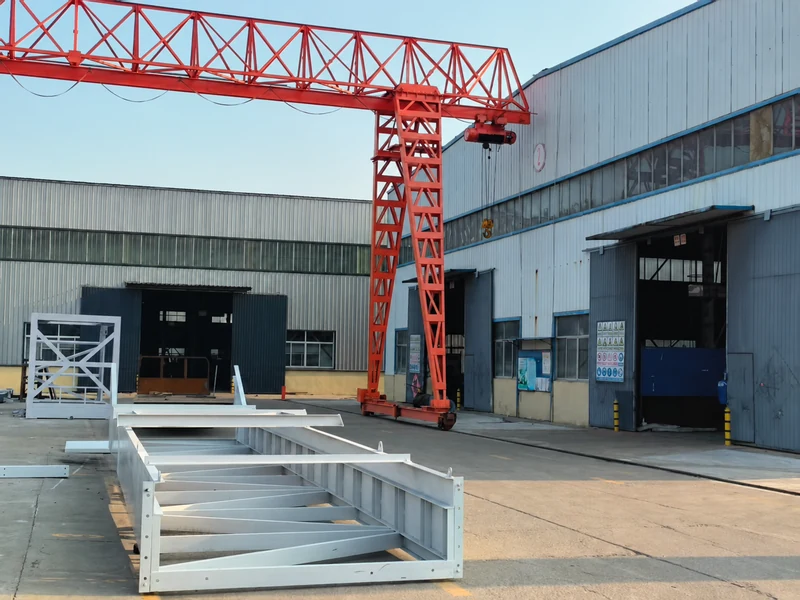
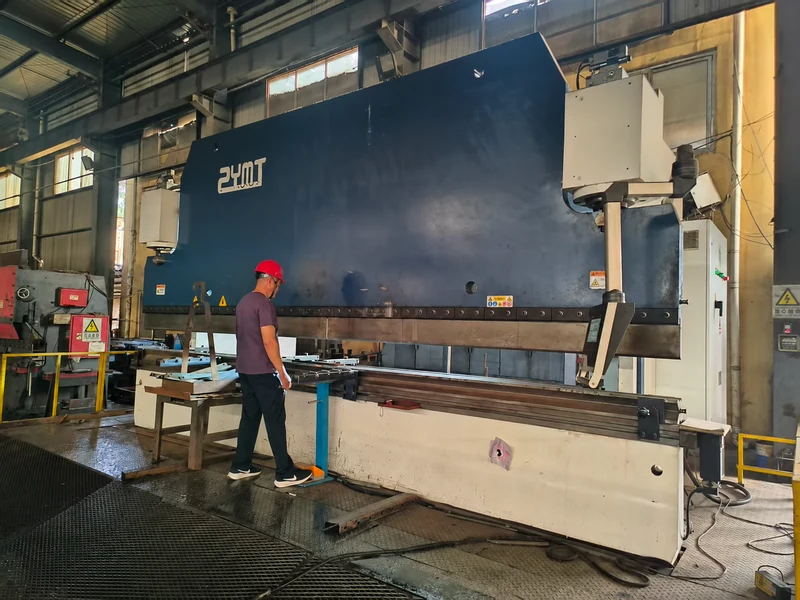
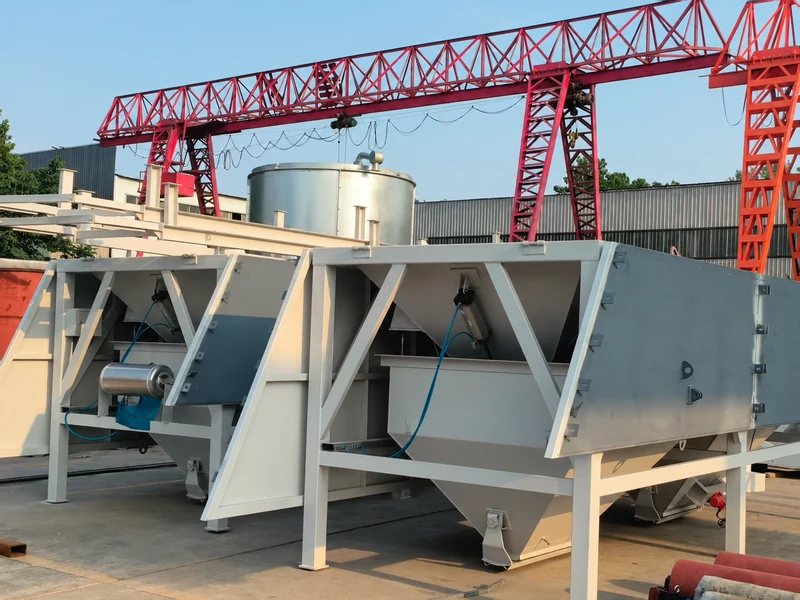
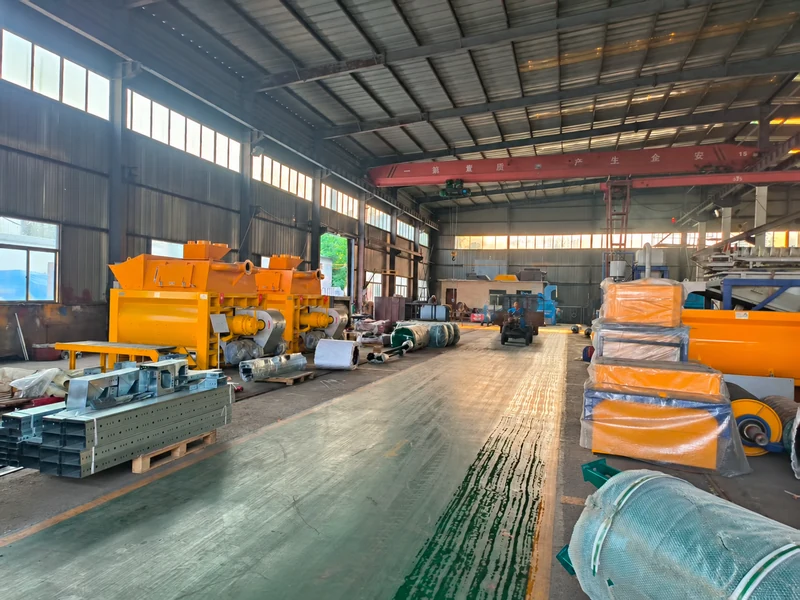
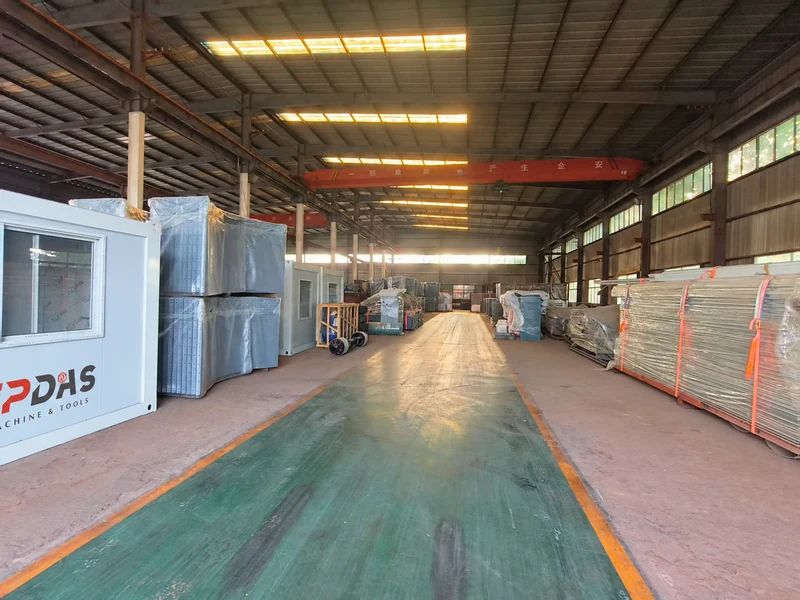
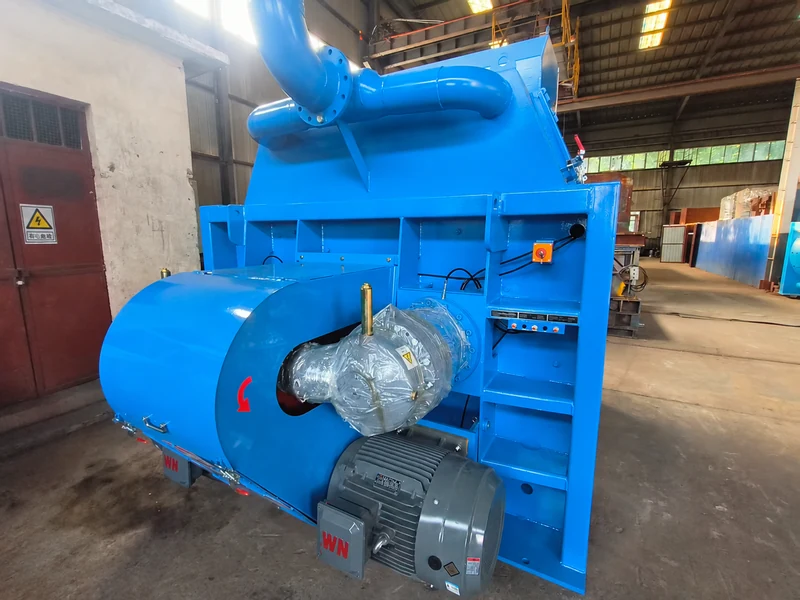
Pending confirmation. Model-specific inspection and certification evidence remains to be confirmed.
Discuss Your Dry-Batching Operation with EPDAS
Review the GHZ60 batching system together with the truck fleet and mixing procedure it will serve. EPDAS can clarify the component schedule, selected options and loading-interface requirements for your proposed installation.
Discuss Your Plant Configuration